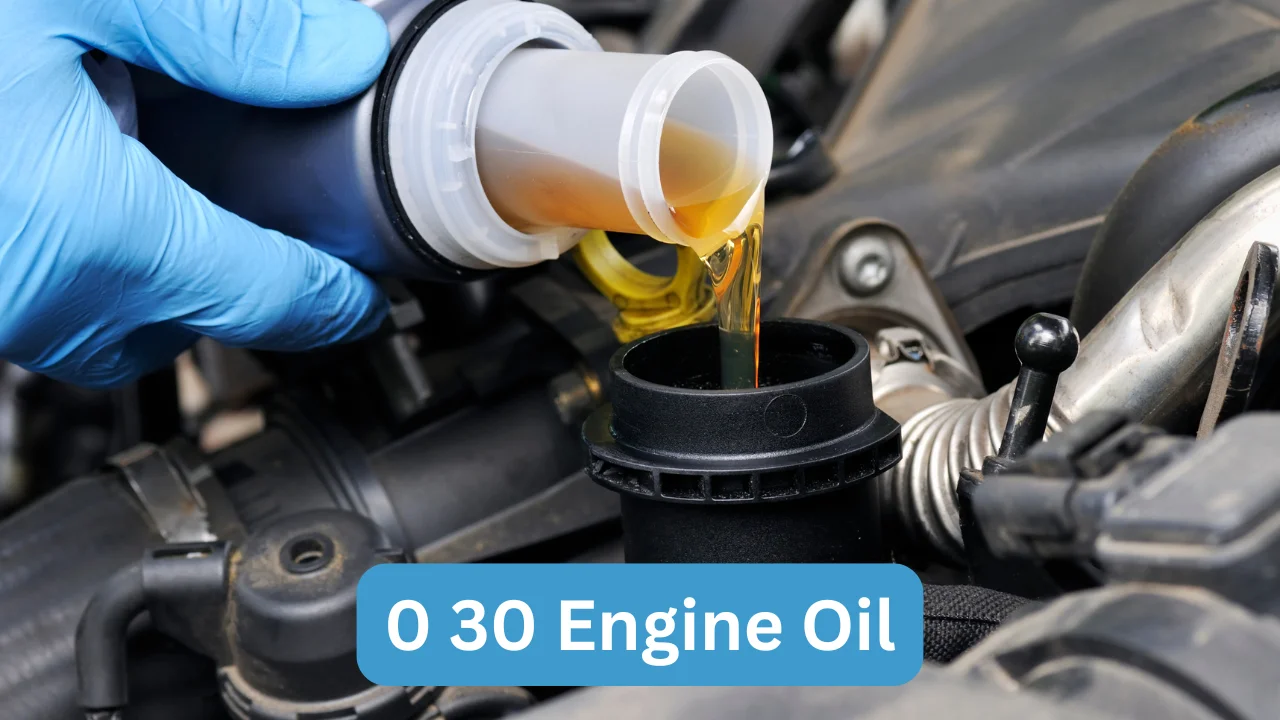
Understanding 0 30 Engine Oil
0 30 engine oil is a low viscosity, fully synthetic oil designed for modern engines that need fast lubrication and steady protection. You often see it recommended for newer petrol and diesel engines, especially those with turbochargers and tighter engine tolerances. If your car manual lists this grade, using it helps your engine work smoothly during cold starts and long drives.
The popularity of 0 30 engine oil keeps growing because manufacturers focus more on fuel efficiency and emission control. This oil flows quickly in cold weather and stays stable when the engine runs hot. That balance makes it useful for city driving, highway use, and changing climates.
Meaning Of 0 And 30
The numbers in 0 30 engine oil explain how the oil behaves at different temperatures. The first number shows cold flow performance. Zero means the oil stays thin during cold starts. The second number shows thickness at high engine temperatures. Thirty means it remains strong enough to protect moving parts.
This balance helps engines start faster and reduces wear. Many modern engines rely on this precise viscosity to maintain proper oil pressure. Using the wrong grade can reduce protection and fuel economy.
Why Modern Engines Need It?
Modern engines use tighter internal clearances. Thinner oils like 0 30 engine oil move faster through narrow oil passages. This helps lubricate parts quickly and reduce friction. Engines with turbochargers benefit even more because heat builds up quickly.
Fuel efficiency standards also drive this shift. Lower friction means better mileage and reduced emissions. That is why many manufacturers now approve 0 30 oil for factory fill and servicing.
Cold Start Performance Benefits
Cold starts cause the most engine wear. Thick oil moves slowly and leaves parts unprotected for longer. 0 30 engine oil flows almost instantly, even in freezing conditions. This protects camshafts, bearings, and pistons right away.
Drivers in colder regions notice smoother starts and quieter engines. Even in mild climates, faster oil circulation improves long term engine health.
High Temperature Stability
While thin at cold temperatures, 0 30 engine oil stays stable when the engine heats up. It resists thinning too much, which keeps a strong oil film between moving parts. This reduces metal contact and heat buildup.
High temperature stability is important for highway driving and turbocharged engines. Without it, oil can break down faster and lose protection.
Also Read: Overfilled Engine Oil by 1 Litre
0 30 Engine Oil Viscosity Explained

Viscosity describes how thick or thin an oil is. 0 30 engine oil sits on the thinner side, which helps modern engines perform better. Understanding viscosity helps you choose the correct oil and avoid engine problems.
Viscosity Behavior At Low Temperatures
At low temperatures, oil thickens naturally. A zero winter rating means the oil stays fluid even during cold weather. This allows the oil pump to circulate oil faster during startup.
Faster flow reduces friction and wear. This is one reason manufacturers prefer 0w oils for newer engines.
Viscosity Behavior At High Temperatures
When the engine warms up, oil thins. The thirty rating ensures the oil does not become too thin. It keeps a protective layer between engine components.
This balance helps engines run efficiently without sacrificing durability. High speed driving and heavy loads benefit from this stability.
Comparison With Thicker Oils
Compared to 5w30 or 10w40, 0 30 engine oil flows faster and reduces drag. Thicker oils may protect older engines better, but they slow down modern engines.
Using thicker oil than recommended can reduce fuel economy and stress oil pumps. Always follow the manufacturer specification.
Impact On Fuel Economy
Lower viscosity reduces resistance inside the engine. This helps improve fuel efficiency, especially in stop and go traffic. Over time, savings add up.
Many drivers notice slightly better mileage after switching to the correct 0 30 engine oil.
Best Uses Of 0 30 Engine Oil
Not every engine needs this oil. Knowing when it works best helps you make the right choice.
Petrol Engine Compatibility
Many petrol engines, especially direct injection designs, use 0 30 engine oil. It keeps injectors clean and reduces carbon buildup.
Smooth performance and better throttle response are common benefits.
Diesel Engine Compatibility
Modern diesel engines with particulate filters often require low viscosity oils. 0 30 engine oil supports cleaner combustion and lower emissions.
Always check approvals before using it in diesel engines.
Turbocharged Engine Support
Turbochargers spin at very high speeds and generate heat. Fast oil flow and strong film strength protect turbo bearings.
This oil grade helps prevent oil coking and heat damage.
City And Highway Driving
Short trips and long drives both benefit from fast lubrication and stable protection. 0 30 engine oil adapts well to mixed driving conditions.
Also Read: Peugeot 3008 Engine Oil
0 30 Engine Oil For Ford Vehicles
Ford recommends specific oil grades for many of its engines. 0 30 engine oil ford specifications are common in EcoBoost engines and newer designs.
Ford Engine Requirements
Ford engines often require oils that meet strict approval standards. These standards focus on timing chain protection and turbo cleanliness.
Using the correct oil helps avoid warranty issues and engine damage.
Ford EcoBoost Compatibility
EcoBoost engines rely on precise oil flow. 0 30 engine oil ford approval oils protect turbos and reduce internal wear.
Many service centers use this oil as standard for modern Ford models.
Long Term Engine Health
Correct oil choice prevents sludge buildup and timing chain wear. This reduces repair risks over time.
Owners who follow recommended oil grades often experience fewer engine issues.
Best 0 30 Engine Oil Options
Choosing the best 0 30 engine oil depends on approvals, engine type, and driving style. Not all oils perform the same.
Full Synthetic Benefits
Most 0 30 oils are fully synthetic. They resist breakdown and maintain viscosity longer.
This helps extend oil change intervals and maintain engine cleanliness.
Additive Package Importance
Additives protect against wear, deposits, and corrosion. High quality oils use balanced additives that support modern engines.
Always check manufacturer approvals listed on the bottle.
Brand Approval Standards
Look for oils approved by vehicle manufacturers. Approval means the oil passed strict testing.
This ensures compatibility and protection.
Also Read: Renault Clio Engine Oil
0 30 Engine Oil Price Overview
Pricing varies based on brand, approval level, and packaging size. Bulk options often reduce cost per liter.
| Pack Size | Average Price Range | Suitable For |
| 1 Liter | Moderate | Top ups |
| 4 to 5 Liters | Balanced | Full oil change |
| 0 30 engine oil 20l | Lower per liter | Workshops and fleets |
0 30 Engine Oil Vs 5w30 Comparison
Many drivers compare these two grades. Both serve modern engines but behave differently.
| Feature | 0 30 Engine Oil | 5w30 Engine Oil |
| Cold Flow | Faster | Slower |
| Fuel Economy | Slightly better | Standard |
| Cold Climate Use | Excellent | Good |
| Engine Protection | High | High |
Oil Change Intervals And Maintenance
Proper maintenance helps oil perform as intended.
Typical Change Intervals
Most vehicles using 0 30 engine oil follow longer service intervals. Always follow the car manual for accuracy.
Short trips may require earlier changes.
Signs Oil Needs Changing
Dark color, engine noise, or warning lights indicate oil degradation.
Ignoring these signs can harm the engine.
Proper Storage Tips
Store oil in sealed containers away from heat. Contaminated oil loses effectiveness.
Advantages And Disadvantages Of 0 30 Engine Oil
| Advantages | Disadvantages |
| Fast cold start protection | Higher price |
| Better fuel efficiency | Not suitable for older engines |
| Lower engine wear | Requires correct approvals |
| Cleaner engine internals | Limited compatibility |
Common Mistakes To Avoid
Using oil without checking approvals can damage engines. Mixing oil grades may reduce effectiveness. Overextending oil change intervals can cause sludge buildup.
Always follow the manufacturer guidelines.
Frequently Asked Questions
Is 0 30 engine oil good for hot climates?
Yes it stays stable at high temperatures and protects engines during heat.
Can I use 0 30 instead of 5w30?
Only if the manufacturer allows it. Always check the manual.
Is 0 30 engine oil fully synthetic?
Most are fully synthetic and designed for modern engines.
Does 0 30 engine oil improve mileage?
Yes reduced friction can improve fuel efficiency slightly.
Is 0 30 engine oil good for old cars?
Older engines usually need thicker oil for better sealing.
Also Read: Audi A1 Engine Oil
Final Thoughts
0 30 engine oil suits modern engines that demand fast flow and reliable protection. It supports fuel efficiency, cleaner engines, and smoother driving. Using the correct oil grade helps extend engine life and reduce maintenance risks. Always match the oil to your vehicle specifications and driving conditions for the best results.

David Weber is an experienced writer specializing in a range of topics, delivering insightful and informative content for diverse audiences.
Hey, milyoners! Just saw the milyon88 com promotion. Seriously thinking of jumping in, seems like a solid deal. Anyone else checked it out? Fingers crossed for some wins! Check out the deals here milyon88 com promotion
Okkingapp looks like a fun way to spend my free time. Download here: okkingapp
Mmyapp… Interesting. A bit different, that’s for sure. Give it a shot and let me know what you think, I’m curious! mmyapp
Just logged into evotaya777casinologin and everything went smooth. Seems legit, worth a look for the login experience alone. You can check it out here: evotaya777casinologin
Just tried out umcassino1 and, not gonna lie, I was impressed. The graphics were slick, and the gameplay was smooth. Definitely worth a spin if you’re searching for a fresh spot to play. Here’s the link: umcassino1.
Been playing Lucky 97 for a bit now, and I’m hooked! The graphics are sharp, and the payouts are decent. Give it a try, you might get lucky! lucky 97
PHGolden’s been good to me so far! The layout is clean, and the games are pretty exciting. I was able to win some decent cash! I would recommend giving PHGolden a shot. phgolden
Phnicecasino is great, I would definately say that its one of the better casinos because theres a lot of offers. The bonus offers are pretty good so that’s why I like it. phnicecasino