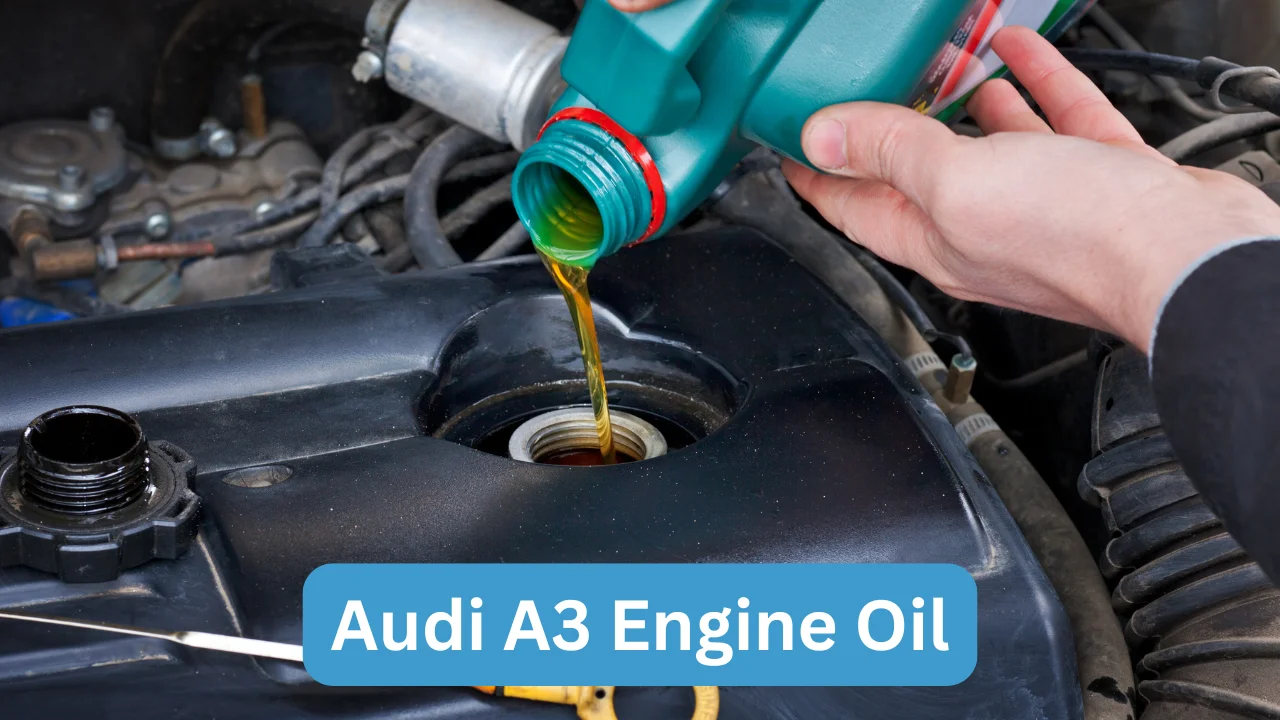
Your Audi A3 engine relies on the right engine oil to stay smooth, efficient, and reliable in daily driving. Using the correct oil helps reduce wear, control heat, and protect vital engine parts over time. Whether you drive a petrol or diesel Audi A3, understanding oil type, grade, and change needs allows you to avoid problems and keep your car performing the way it should.
Why Engine Oil Matters Most?
Your Audi A3 engine works hard every time you drive. Engine oil keeps moving parts smooth, clean, and cool during every trip. When you use the wrong oil, small problems grow fast. Power drops, fuel use rises, and engine wear increases. Choosing the correct Audi A3 engine oil protects performance and avoids costly repairs later.
Modern Audi engines rely on tight tolerances and turbo systems. That means oil quality matters as much as oil level. The right grade keeps pressure steady and reduces internal friction. Over time, this helps your engine last longer and run quieter. If you care about smooth driving and long engine life, oil choice should never be ignored.
Audi A3 Engine Oil Basics
How Engine Oil Works
Engine oil creates a thin film between metal parts. This film prevents direct contact during combustion and movement. Without oil, friction rises and heat builds quickly. Oil also carries dirt and carbon to the filter, keeping the engine clean inside.
In the Audi A3, oil also supports turbochargers in petrol and diesel models. Turbo units spin at high speeds and depend on clean oil flow. Poor oil quality can damage turbo seals and bearings. This is why Audi specifies exact oil grades and standards for each engine.
Why Audi Oil Standards Matter
Audi engines follow strict European oil standards. These standards control thickness, heat resistance, and cleaning ability. Using random oil that does not meet specs can cause warning lights and engine noise.
Approved oils handle cold starts, long drives, and stop and go traffic. They also protect emission systems like catalytic converters and diesel filters. Following the correct standard keeps your warranty safe and your engine healthy.
Petrol And Diesel Differences
Petrol and diesel Audi A3 engines use different oil types. Diesel engines produce more soot, which oil must handle safely. Petrol engines often run hotter and need strong heat protection.
Using petrol oil in a diesel engine can clog filters and raise oil pressure. Using diesel oil in a petrol engine may reduce fuel economy. Always match oil type with your engine fuel.
Turbocharged Engine Needs
Most Audi A3 engines are turbocharged. Turbo engines stress oil more than non turbo engines. Oil must handle heat, pressure, and rapid circulation.
Low quality oil breaks down faster and forms sludge. This can block oil passages and damage turbo units. Synthetic oil is always recommended for turbo Audi A3 engines.
Audi A3 Engine Oil Type Explained
Recommended Oil Grades
Audi A3 engines commonly use 5W30 or 0W30 oil grades. These grades flow well during cold starts and stay stable at high temperatures. Some older engines may accept 5W40, but always check your engine code.
The first number shows cold flow performance. The second number shows thickness at operating temperature. Lower numbers help during winter starts. Higher numbers protect during heat and load.
Synthetic Versus Semi Synthetic
Full synthetic oil is the best choice for Audi A3 engines. It lasts longer, resists heat better, and keeps engines cleaner. Semi synthetic oil may cost less but breaks down faster.
Synthetic oil also improves fuel efficiency and reduces engine noise. Over long ownership, it often costs less due to longer service intervals. Audi engines are designed around synthetic oil use.
Oil Standards And Approvals
Audi oil standards often include specific European approvals. These approvals ensure oil compatibility with engine design and emissions systems. Always choose oil that clearly lists approved standards on the label.
Approved oil prevents sludge buildup and keeps oil pressure stable. This matters for engines with variable valve timing and turbo systems. Skipping approvals increases long term risk.
Cold Climate And Hot Climate Use
In colder regions, 0W30 oil improves cold start protection. In warmer areas, 5W30 performs well year round. Both grades protect Audi A3 engines when used correctly.
Extreme heat driving or heavy loads may benefit from slightly thicker oil. Still, never exceed Audi recommended grades. Proper oil choice balances protection and efficiency.
Audi A3 Engine Oil Capacity Guide
Petrol Engine Capacity
Most Audi A3 petrol engines require between 4.0 and 4.5 liters of oil. Smaller engines like 1.2 and 1.4 TFSI usually sit at the lower end. Larger petrol engines may need slightly more.
Always check the dipstick after filling. Fill gradually and avoid overfilling. Too much oil can cause pressure issues and leaks.
Diesel Engine Capacity
Audi A3 diesel engine oil capacity usually ranges from 4.3 to 5.0 liters. Engines like 1.6 TDI often need more oil due to filter size and design.
Diesel engines also consume oil differently over time. Regular level checks help avoid low oil warnings. Keep oil topped within safe range.
Oil Filter Impact On Capacity
Changing the oil filter affects total oil volume. A new filter holds oil and reduces leftover contaminants. Always replace the filter during oil changes.
Skipping filter changes reduces oil effectiveness. Fresh oil mixed with dirty filter oil loses benefits quickly. Proper oil service includes both oil and filter.
Checking Oil Level Correctly
Check oil level on a warm engine after resting for five minutes. Park on level ground for accurate reading. Wipe the dipstick clean before checking.
Electronic oil level systems may require menu access. Follow dashboard instructions carefully. Incorrect readings lead to under or overfilling mistakes.
Audi A3 Engine Oil Change Schedule
Standard Oil Change Interval
Most Audi A3 models need an oil change every 10,000 to 12,000 kilometers. Some long life systems extend intervals, but shorter intervals protect engine health better.
Short trips and city driving wear oil faster. Frequent cold starts reduce oil life. If you drive mainly in traffic, change oil sooner.
Signs You Need An Oil Change
Dark oil, rough idle, engine noise, or warning lights indicate oil issues. Reduced fuel efficiency also signals worn oil.
Ignoring oil change signs leads to sludge buildup and turbo wear. Early service costs far less than engine repairs. Trust your senses and dashboard alerts.
Oil Change Steps Overview
Warm the engine slightly before draining oil. Remove drain plug carefully and allow full drain. Replace the oil filter before refilling.
Add oil gradually and check level. Start engine briefly and recheck level. Dispose used oil safely at approved centers.
Service Reset After Oil Change
After oil change, reset the service reminder. This can be done through dashboard menus or diagnostic tools. Resetting keeps service tracking accurate.
If reminder stays active, it may confuse future maintenance schedules. Always confirm reset success before driving away.
Best Engine Oil For Audi A3 Petrol Models
Oil For 1.6 Petrol Engines
If you wonder what oil for Audi A3 1.6 petrol works best, choose fully synthetic 5W30 oil. This grade balances protection and fuel efficiency well.
The engine runs smoother and quieter with proper oil. Cold starts improve and oil pressure remains stable. Avoid thicker oil grades.
Oil For 1.4 TFSI Engines
The best oil for Audi A3 1.4 TFSI is synthetic 5W30 or 0W30. Turbochargers need clean and stable oil flow.
Regular oil changes protect turbo seals and bearings. Skipping oil service shortens turbo life. Quality oil is essential for this engine.
Oil For 2.0 Petrol Engines
Larger petrol engines generate more heat. High quality synthetic oil handles thermal stress better. Stick to approved oil grades only.
These engines respond well to timely oil changes. Smooth acceleration and steady idle reflect healthy lubrication.
Fuel Economy Impact
Correct oil grade improves fuel economy slightly. Thicker oil increases drag inside the engine. Thinner approved oil allows smoother rotation.
Over time, this saves fuel and reduces emissions. Oil choice supports both performance and efficiency.
Also Read: Engine Oil for Peugeot 208
Best Engine Oil For Audi A3 Diesel Models
Oil For 1.6 Diesel Engines
If asking what oil for Audi A3 1.6 diesel, use low ash synthetic oil designed for diesel engines. This protects emission systems and filters.
Diesel oil must manage soot effectively. Approved oil prevents clogging and pressure buildup. Stick to recommended grades.
Oil For 2.0 Diesel Engines
The best engine oil for Audi A3 diesel engines is long life synthetic oil. These engines handle long drives well but still need clean oil.
High mileage engines benefit from frequent oil checks. Diesel oil consumption may rise with age. Maintain proper level consistently.
Diesel Oil Type Importance
Audi A3 diesel oil type must support diesel particulate filters. Using incorrect oil damages filters and increases repair costs.
Always confirm oil compatibility with emission systems. Correct oil reduces smoke and improves engine response.
Cold Start Protection
Diesel engines need strong cold flow properties. Approved oil ensures smooth starts even in cold weather. This reduces starter and battery strain.
Cold start wear drops when oil flows quickly. This improves engine life significantly.
Audi A3 Engine Oil Price Overview
| Oil Type | Engine Compatibility | Average Oil Quantity | Estimated Cost Range |
| Synthetic 5W30 | Petrol and Diesel | 4.5 Liters | Medium |
| Synthetic 0W30 | Turbo Petrol | 4.0 Liters | Medium High |
| Diesel Low Ash Oil | Diesel Models | 4.8 Liters | Medium |
| Long Life Oil | Extended Service | 5.0 Liters | High |
Audi A3 Engine Oil Capacity Reference
| Engine Type | Fuel Type | Oil Capacity |
| 1.2 TFSI | Petrol | 4.0 Liters |
| 1.4 TFSI | Petrol | 4.2 Liters |
| 1.6 Petrol | Petrol | 4.5 Liters |
| 1.6 TDI | Diesel | 4.6 Liters |
| 2.0 TDI | Diesel | 4.8 Liters |
Also Read: Citroen C3 Engine Oil
Common Audi A3 Engine Oil Problems
Oil Leaks And Seals
Audi A3 engine oil leak issues often come from worn seals or gaskets. Valve cover and oil pan seals are common sources.
Early leaks show as oil smell or stains under the car. Fixing leaks early prevents engine damage and low oil levels.
Oil Consumption Issues
Some Audi engines consume oil over time. Turbo engines may burn small amounts during operation. Regular checks prevent low oil pressure.
High consumption may indicate worn rings or seals. Monitoring oil usage helps detect problems early.
Low Oil Pressure Warning
Low oil pressure warning should never be ignored. Stop driving immediately and check oil level. Driving without pressure damages bearings quickly.
Causes include low oil, clogged filters, or pump issues. Professional inspection is recommended if warning persists.
Sludge Formation Risks
Using wrong oil or long intervals causes sludge buildup. Sludge blocks oil passages and reduces lubrication.
Synthetic oil and timely changes prevent sludge. Clean oil keeps engine internals healthy.
Audi A3 Engine Oil Filter And Cap Care
| Component | Purpose | Service Tip |
| Oil Filter | Traps dirt and metal | Replace every oil change |
| Oil Cap | Seals oil system | Check seal condition |
| Drain Plug | Allows oil removal | Replace washer if leaking |
| Dipstick | Measures oil level | Clean before checking |
Frequently Asked Questions
How often should you change Audi A3 engine oil?
Most drivers should change oil every 10,000 kilometers or sooner if driving in traffic. Short trips reduce oil life faster.
Can you mix oil brands in Audi A3?
Mixing brands is acceptable only if oil grade and approval match. Avoid mixing different grades or standards.
What happens if you overfill engine oil?
Overfilling raises pressure and may cause leaks or seal damage. Always fill gradually and recheck level.
Is synthetic oil required for Audi A3?
Yes, synthetic oil is strongly recommended for all Audi A3 engines. It protects turbo systems and extends engine life.
Does oil type affect fuel efficiency?
Yes, correct oil grade reduces internal friction and improves fuel economy slightly over time.
Also Read: Citroën C1 Engine Oil
Final Thoughts
Choosing the right Audi A3 engine oil keeps your car smooth, efficient, and reliable. Oil quality affects engine life more than most drivers realize. Matching oil type, grade, and change interval with your engine protects turbo parts and internal components. Regular checks and timely changes reduce repair risk and keep driving enjoyable. Treat oil as engine insurance and your Audi A3 will reward you with long service and strong performance.

David Weber is an experienced writer specializing in a range of topics, delivering insightful and informative content for diverse audiences.
Hey y’all! If you’re a slot fan, Winwinslot777 is calling your name! Amazing payouts and a really cool theme. Check them out here: winwinslot777
Yo 188betlinkvao, are you the shortcut I’ve been searching for? Tired of hunting down working links. Hope your site is smooth and reliable, ya know? One click and I’m in! Find it at: 188betlinkvao
Kralbetpatner is where it’s at, if you know what I’m saying! If you are after collaboration, this could be for you: kralbetpatner
SV388 and 10Naga? Sounds like a proper betting site. Probably catering to a specific crowd, but hey, more power to them if they’re doing it right. What are you waiting for: sv388 10naga
U888Login, haven’t tried that one, is it any good I wonder? I suppose it’s worth a look if you’re on the hunt for a new spot. Check them out here: u888login
Slots PK 18, now that sounds like a wild time! Hopefully it has all my favorite themes. Time to get spinning. Check it out yourself here: slots pk 18
I88bet, placing my bets! I’ve seen they have interesting odds. Looks like a viable option, right? Place your bets on i88bet, maybe you’ll be luck.
Alright guys, what are your thoughts on niw88? I hopped on the other day and the registration bonus was actually pretty sweet. Tell me what you think: niw88