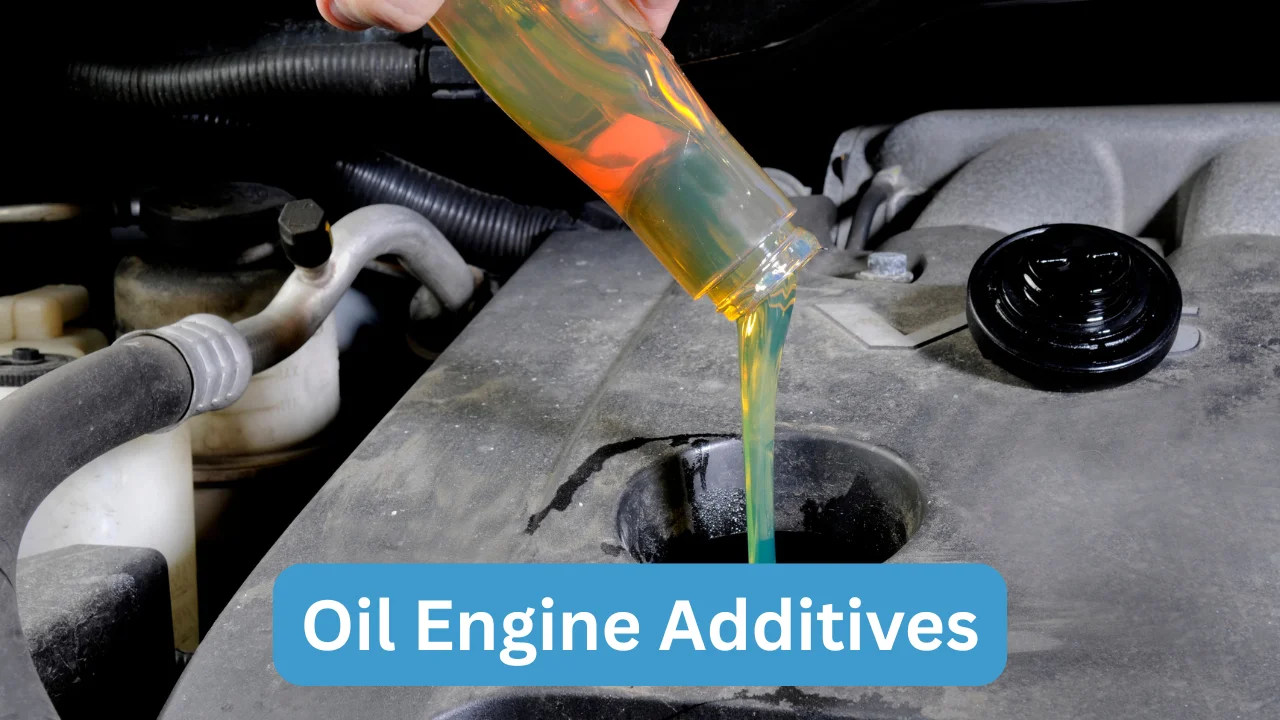
Oil engine additives are designed to support your engine when regular oil alone is not enough. They help reduce friction, improve lubrication, and keep internal parts cleaner over time. Many drivers use them to address common issues like engine noise, oil burning, or reduced performance. When chosen wisely and used correctly, oil engine additives can help your engine run smoother and stay protected longer.
Understanding Oil Engine Additives
Oil engine additives are chemical blends mixed with engine oil to improve how your engine runs and lasts. Many drivers use them when engines age, oil burns faster, or noise increases. These additives support lubrication, reduce friction, and help clean internal parts. When chosen carefully, they can support engine health without changing your regular oil type.
What Oil Additives Do?
Oil additives change how oil behaves inside the engine. They help oil stick to metal parts, reduce heat, and prevent wear during cold starts. Some formulas also clean sludge and carbon buildup over time.
Why Engines Need Additives?
Engines face stress from heat, friction, and fuel residue. Even good oil breaks down with time. Additives step in to support oil when conditions become tough or engines get older.
Additive Oil Versus Engine Oil
Additive oil is not a replacement for engine oil. It works with existing oil to improve its performance. You still need regular oil changes for proper care.
Who Should Use Additives?
Drivers with high mileage cars, diesel vehicles, or engines showing noise and oil burning often see benefits. New engines usually do not need them.
Also Read: What Engine Oil for Vauxhall Corsa 1.4 Petrol?
Types Of Engine Oil Additives
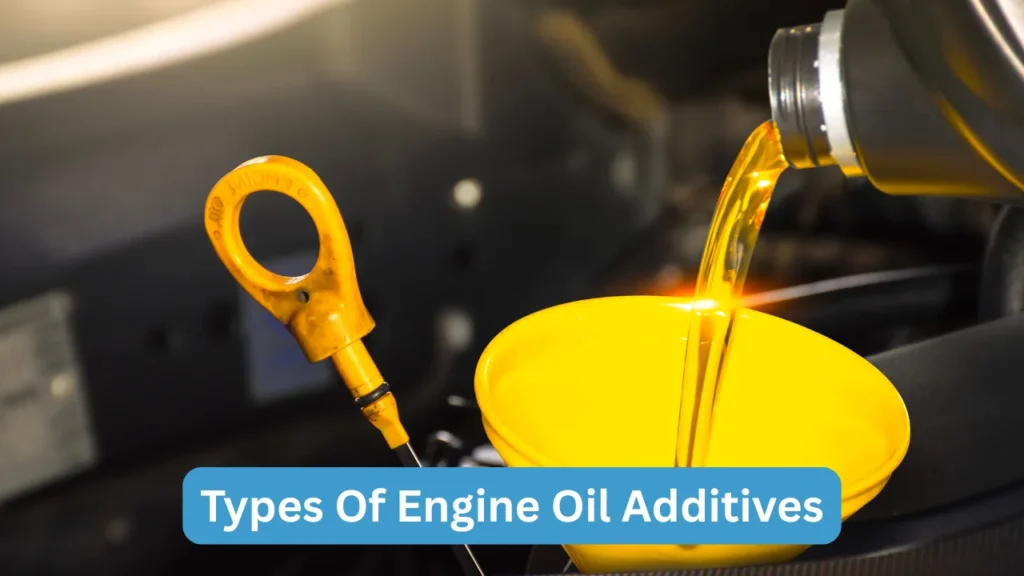
Different oil engine additives serve different engine needs. Choosing the right type depends on your engine condition and driving habits.
Anti Wear Additives
Anti wear additives in engine oil form a thin layer between metal parts. This reduces contact damage during high heat or heavy load driving.
Oil Cleaning Additives
Oil additives to clean engine parts focus on removing sludge and deposits. They help oil flow better and support stable engine temperatures.
Oil Stabilizer Additives
These additives thicken oil slightly and help maintain pressure. They are useful for older engines with loose tolerances.
Engine Noise Reducers
Best oil additives to stop engine knocking reduce vibration and friction. They help engines run smoother and quieter over time.
Do Engine Oil Additives Work?
Many drivers ask if oil engine additives truly work or if they are just marketing tools. The answer depends on how and when they are used.
Short Term Results
Some additives show quick results like reduced noise or smoother idle. These changes happen because friction drops and oil pressure improves.
Long Term Engine Effects
When used correctly, additives can slow wear and reduce oil burning. They do not fix broken parts or serious engine damage.
Scientific Reasoning
Oil additives improve lubrication chemistry. This helps oil cling better and resist heat breakdown under stress.
Real World Use
Drivers often notice benefits in older vehicles and diesel engines. New cars rarely need extra additives.
Engine Oil Additives Good Or Bad
The debate around engine oil additives good or bad depends on usage and expectations. Additives are tools, not miracle fixes.
Advantages For Aging Engines
Older engines with wear benefit most. Additives help reduce oil consumption and smooth engine sound.
Possible Downsides
Using too many additives or wrong types may affect oil balance. Overuse can clog filters or change viscosity.
Manufacturer Warnings
Some car makers discourage additives in new vehicles. Always check warranty terms before use.
Balanced Approach
Use additives only when needed. Follow product instructions and avoid mixing multiple products.
Also Read: Does Engine Oil Go Bad?
Best Oil Engine Additives For Common Problems
Different engine issues need specific solutions. Using the right additive matters more than brand choice.
Stopping Engine Knocking
Best oil additives to stop engine knocking focus on friction reduction. They help parts move smoothly under load.
Reducing Oil Burning
Engine oil additives stop burning oil by thickening oil slightly and improving seal support.
Cleaning Dirty Engines
Oil additives to clean engine sludge dissolve buildup slowly. This supports smoother oil flow.
Diesel Engine Support
Diesel engine oil additive formulas handle soot and high pressure needs better than petrol versions.
Oil Engine Additives Price Range
Prices vary based on formula strength and purpose. Below is a general pricing view based on additive type.
| Additive Type | Typical Use | Price Range |
| Anti wear additive | Reduce friction | Low to mid |
| Engine cleaner additive | Remove sludge | Mid |
| Oil stabilizer additive | Control oil pressure | Mid |
| Diesel engine oil additive | Soot control | Mid to high |
Best Engine Oil Additives By Use Case
Choosing based on engine condition gives better results than choosing by popularity.
| Engine Issue | Recommended Additive Type | Expected Result |
| High mileage wear | Anti wear additive | Reduced friction |
| Oil burning | Oil stabilizer additive | Lower oil loss |
| Sludge buildup | Engine cleaner additive | Cleaner internals |
| Diesel noise | Diesel engine oil additive | Smoother running |
Also Read: Elf Engine Oil
How To Use Oil Engine Additives Safely?
Correct use ensures benefits without risk. Always follow product directions closely.
When To Add Additives?
Most additives are added during oil changes. This ensures even mixing and better circulation.
Correct Dosage Matters
Using more does not improve results. Overuse may harm oil balance and engine seals.
Mixing With Engine Oil
Additives blend with fresh oil better. Avoid adding to very old or contaminated oil.
Service Interval Awareness
Additives do not replace oil changes. Maintain normal service schedules.
Pros And Cons Of Oil Engine Additives
Understanding both sides helps you decide wisely.
| Pros | Cons |
| Reduce engine wear | Not a repair solution |
| Improve oil performance | Wrong use can harm |
| Help older engines | Not needed for new engines |
| Lower noise and vibration | Quality varies by product |
Also Read: How to Top Up Engine Oil in Car?
Common Myths About Engine Oil Additives
Misunderstanding leads to misuse. Clearing myths helps realistic expectations.
Additives Fix Engine Damage
They cannot repair broken parts. They only support lubrication and cleanliness.
All Engines Need Additives
Healthy new engines work best with quality oil alone.
More Additive Means Better Results
Too much can disrupt oil chemistry and cause issues.
Additives Replace Oil Changes
Regular oil changes remain essential.
FAQs
Is oil additives good for engine health?
Yes when used correctly and only when engine condition requires support.
Do engine oil additives work in diesel engines?
Yes diesel engine oil additive products are designed for high pressure systems.
Can oil additives stop engine knocking completely?
They can reduce knocking caused by friction but not mechanical faults.
Are oil additives safe for high mileage cars?
High mileage engines often benefit most when additives are used correctly.
How often should oil additives be used?
Usually once per oil change unless product instructions say otherwise.
Also Read: Mini One Engine Oil
Final Thoughts
Oil engine additives can support engines that show age, wear, or noise. They work best when chosen for a specific problem and used with care. They are not replacements for maintenance but helpful tools when engines need extra support. When used wisely, they can help engines run smoother and last longer.

David Weber is an experienced writer specializing in a range of topics, delivering insightful and informative content for diverse audiences.
Realbetisx, it is good to bet now and play at realbetisx. Good! Yeah!
Yo, checked out phbetvip the other day. Not bad, pretty slick. Might be giving it another look soon. See for yourself phbetvip
7wgcasino, eh? Sounds cool. Maybe I’ll try my luck. Who knows I might become rich. Join me! 7wgcasino
Hii88z, alright, alright. Signed up last week and tossed a few bucks in. It’s pretty slick. Payouts seemed alright, too. Not bad at all. Worth a peek! Here’s the link: hii88z
Signed up for 39jili.net earlier today. Already having a bit of fun! The promotions look pretty good too! Check it out: 39jili
Went VIP on 93jlvip, has many perks inside. Feel like checking it out? Access it here: 93jlvip.