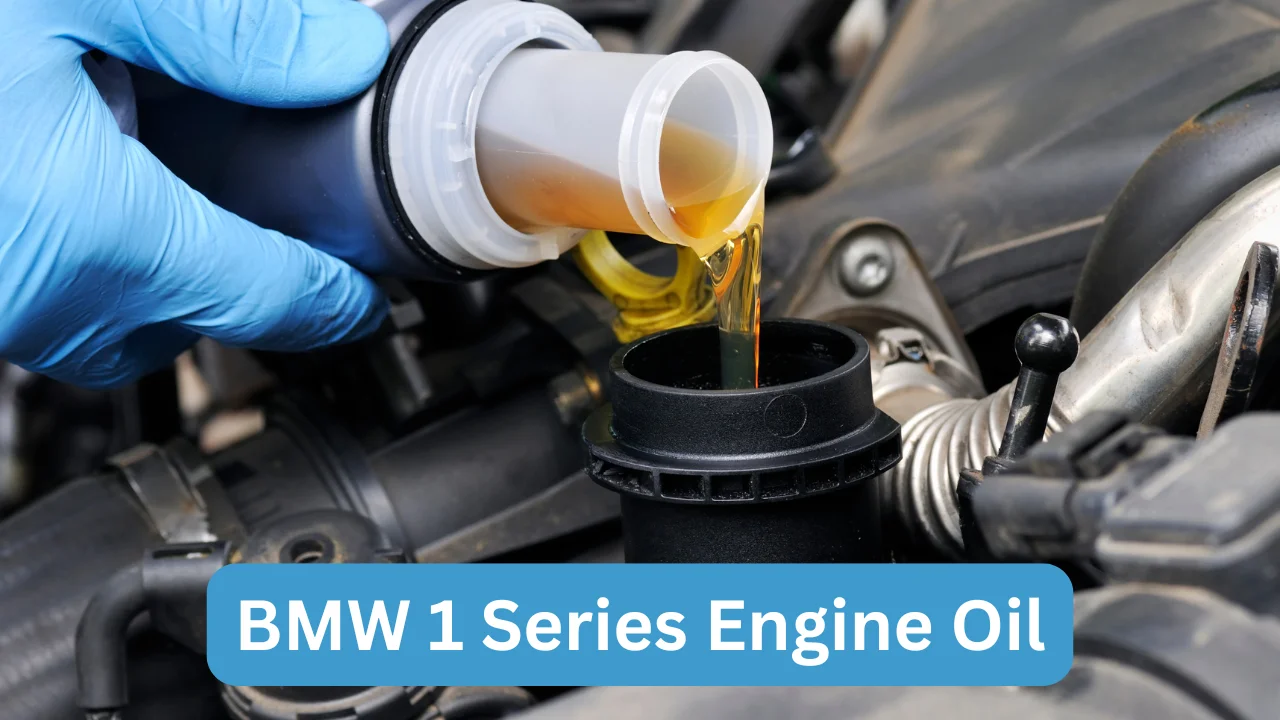
Keeping your BMW 1 Series running smoothly starts with something simple yet vital. The engine oil you choose affects performance, fuel use, engine life, and repair costs. Many owners assume oil is just oil, but that belief often leads to warning lights, poor drive feel, and engine wear.
If you have ever searched for BMW 1 Series engine oil details and felt confused, you are not alone. Different engines, fuel types, and model years all change what oil your car needs. This guide walks you through everything step by step, using plain language and real ownership experience so you can care for your car with confidence.
Understanding Engine Oil Basics
Why Engine Oil Matters
Engine oil keeps moving parts from grinding against each other. It reduces heat, cleans internal surfaces, and helps your engine run quietly. In the BMW 1 Series, oil quality matters more due to tight engine tolerances.
When oil breaks down, it loses protection. This leads to higher engine temperature, reduced fuel economy, and warning lights appearing on the dashboard. Using the correct oil keeps your engine healthy over the long term.
How BMW Engines Differ
BMW engines are designed for performance and efficiency. Many BMW 1 Series engines use turbochargers, which place extra stress on engine oil. Diesel engines also run at higher compression levels than petrol versions.
This design means standard oils may not provide enough protection. BMW-approved oils meet stricter standards to handle heat, pressure, and extended service intervals.
BMW Oil Approval Standards
BMW uses Longlife oil standards. These include LL-01 for older engines and LL-04 for modern diesel and petrol engines with filters. Oils meeting these standards protect engines during long oil change intervals.
Always check the oil bottle for BMW approval. Using oil without it can affect engine protection and warranty coverage.
Common Oil Myths
Some owners believe thicker oil offers better protection. In reality, the wrong viscosity can restrict oil flow and increase wear. Others think topping up with any oil is fine. Mixing oil types can reduce effectiveness.
Sticking to the correct oil type avoids these issues and keeps your BMW 1 Series running as intended.
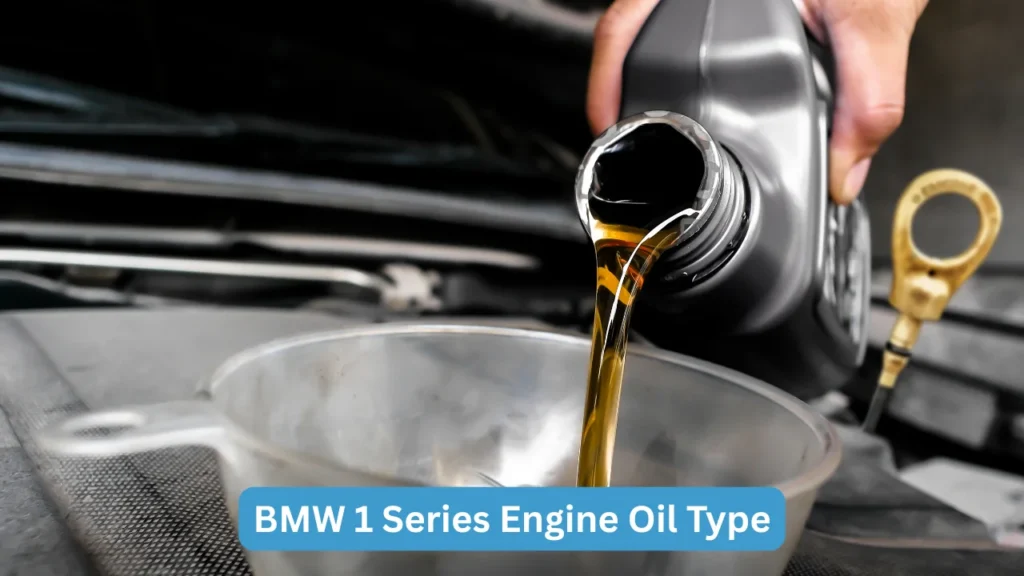
BMW 1 Series Engine Oil Type
Petrol Engine Oil Requirements
BMW petrol engines usually require fully synthetic oil. Common grades include 5W-30 and 0W-30 depending on engine and year. These oils flow quickly on cold starts and protect well at high temperatures.
If you own a petrol model and wonder what engine oil for BMW 1 Series petrol is best, always choose BMW-approved synthetic oil. It supports smooth acceleration and better fuel economy.
Diesel Engine Oil Needs
BMW 1 Series diesel engines often use low-ash oils to protect diesel particulate filters. These oils reduce soot buildup and maintain emissions performance.
The best engine oil for BMW 1 Series diesel usually carries LL-04 approval and comes in 5W-30 grade. This oil balances protection and efficiency under heavy loads.
Turbocharged Engine Care
Turbochargers spin at very high speeds and rely on oil for cooling. Poor oil quality leads to turbo failure and costly repairs. BMW engines depend on clean, stable oil for turbo health.
Changing oil on time and using the correct type prevents carbon buildup in turbo lines.
Climate Considerations
Oil viscosity matters more in extreme climates. Cold areas benefit from lower viscosity oils for easier starts. Hot regions need oils that stay stable at high temperatures.
Most BMW-approved oils are designed for wide temperature ranges, making them suitable for everyday driving conditions.
BMW 1 Series Engine Oil Capacity
Typical Oil Capacities
Oil capacity depends on engine size and fuel type. Four-cylinder petrol engines usually take less oil than diesel versions. Always confirm capacity before refilling.
Adding too much oil causes pressure problems, while too little risks engine damage.
Oil Capacity by Model Year
Different production years have small variations in engine design. Knowing your exact model year helps avoid mistakes during oil changes.
The table below lists common capacities for popular BMW 1 Series models.
| Model Year | Engine Type | Oil Capacity |
| 2006 BMW 1 Series | Petrol 4 Cylinder | 4.25 liters |
| 2010 BMW 1 Series | Diesel 4 Cylinder | 5.20 liters |
| 2012 BMW 1 Series | Petrol Turbo | 4.50 liters |
| 2013 BMW 1 Series | Diesel Turbo | 5.50 liters |
| 2014 BMW 1 Series | Petrol Turbo | 4.75 liters |
| 2015 BMW 1 Series | Diesel | 5.50 liters |
| 2016 BMW 1 Series | Petrol | 4.75 liters |
BMW 118i Engine Oil Capacity
The BMW 118i engine oil capacity usually sits around 4.5 to 4.8 liters depending on year. Always check the handbook before filling.
This prevents overfilling and ensures correct lubrication levels.
Checking Oil Before Filling
Never assume the engine needs a full refill. Always check the level first. Modern BMW models use electronic oil level checks rather than dipsticks.
This helps you add the right amount without guessing.
Checking BMW 1 Series Engine Oil
Electronic Oil Check System
Most BMW 1 Series models no longer include a traditional dipstick. Instead, they use an electronic oil check accessed through the dashboard menu.
The engine must be warm and parked on level ground for accurate readings.
BMW 1 Series Engine Oil Dipstick Models
Older BMW 1 Series models may still have a physical dipstick. These are simple to use and reliable when checked correctly.
Pull the dipstick, wipe clean, reinsert fully, then check the oil level marking.
How Often You Should Check Oil
BMW recommends checking oil every few weeks or before long trips. High performance engines can consume oil during normal use.
Regular checks help you spot issues early and avoid warning lights.
Signs Oil Level Is Low
Rough idle, increased engine noise, or dashboard alerts often signal low oil. Never ignore these signs, as continued driving can cause damage.
A quick oil check can prevent costly repairs.
BMW 1 Series Engine Oil Top Up
When Topping Up Is Needed
Oil consumption varies by engine and driving style. Short trips and high speeds can increase oil usage.
If the display shows low oil, topping up promptly keeps your engine safe.
How Much Oil To Add
Add small amounts, usually 250 milliliters at a time. Recheck the level after each addition.
This prevents overfilling, which can damage seals and sensors.
Choosing the Correct Oil
Always top up with the same oil type already in the engine. Mixing grades or brands can reduce performance.
If unsure, choose a BMW-approved oil that matches your engine type.
Where To Buy Oil
Many owners buy BMW 1 Series engine oil from Halfords due to availability and brand options. Ensure the oil meets BMW approval standards before purchase.
Also Read: Citroën C1 Engine Oil
Oil Warning Lights Explained
BMW 1 Series Engine Oil Light
The oil light usually appears when oil level or pressure is low. Yellow often means add oil, while red signals immediate attention.
Ignoring this light risks engine failure.
BMW 1 Series Engine Oil Pressure Too Low
Low pressure warnings indicate serious issues. Causes include low oil level, worn oil pump, or clogged filter.
Stop driving and inspect the car immediately if this warning appears.
Resetting Oil Warnings
After topping up or changing oil, the system may need resetting. This is done through the vehicle menu or diagnostic tool.
Resetting ensures accurate future warnings.
When To Seek Help
If the warning persists after topping up, professional inspection is required. Continuing to drive can worsen damage.
BMW 1 Series Engine Oil Leak Issues
Common Leak Locations
Oil leaks often occur at valve cover gaskets, oil filter housing seals, or sump gaskets. These areas experience heat and pressure changes.
Early detection prevents oil loss and engine damage.
Signs Of Oil Leaks
Oil spots under the car, burning oil smell, or smoke near the engine bay are warning signs.
Addressing leaks early reduces repair costs.
Driving With An Oil Leak
Small leaks may seem harmless but can worsen quickly. Oil loss leads to low pressure and overheating.
Always repair leaks promptly to protect the engine.
Repair Costs Overview
Repair costs depend on leak location and severity. Gasket replacements are usually affordable compared to engine repairs.
Petrol Vs Diesel Engine Oil Comparison
Key Differences Explained
Petrol and diesel oils differ in additives and ash content. Diesel oils manage soot, while petrol oils focus on clean combustion.
Using the wrong oil can harm emission systems.
Oil Selection Comparison
| Engine Type | Recommended Oil Grade | BMW Approval |
| Petrol | 0W-30 or 5W-30 | LL-01 |
| Diesel | 5W-30 | LL-04 |
Fuel Type Impact On Oil Life
Diesel engines may contaminate oil faster due to soot. This makes oil quality and timely changes more important.
Petrol engines generally maintain oil cleanliness longer.
Choosing The Right Oil
Always match oil to engine fuel type and year. This ensures long engine life and proper performance.
Best Engine Oil Recommendations
Best Oil For BMW 1 Series Petrol
Fully synthetic 0W-30 or 5W-30 oils with BMW approval offer smooth performance and fuel efficiency.
These oils protect turbo components and reduce internal wear.
Best Oil For BMW 1 Series Diesel
Low SAPS 5W-30 oils with LL-04 approval protect filters and manage soot buildup.
They support long service intervals and clean operation.
Oil Brands Owners Trust
Popular choices include Castrol, Shell, and Liqui Moly. Always verify BMW approval on the label before buying.
Brand matters less than meeting specifications.
Avoiding Cheap Oils
Low quality oils break down faster and reduce protection. Saving money upfront often leads to higher repair costs later.
Also Read: Audi A3 Engine Oil
Oil Change Intervals And Maintenance
Recommended Oil Change Timing
BMW often recommends oil changes every 10,000 to 15,000 miles. Real world driving may require more frequent changes.
Short trips and heavy traffic shorten oil life.
Driving Style Effects
Aggressive driving increases oil temperature and wear. Gentle driving extends oil life and engine health.
Adjust oil change intervals based on usage.
Service Indicator System
BMW uses an intelligent service system to calculate oil change timing. This system considers driving conditions.
Always follow system alerts for maintenance.
DIY Vs Professional Service
DIY oil changes save money but require proper tools. Professional service ensures correct procedures and resets systems.
Choose based on experience and comfort level.
Common Oil Related Problems
High Oil Consumption
Some BMW engines consume oil by design. Regular checks help manage this safely.
Sudden increases may indicate leaks or internal issues.
Oil Sludge Formation
Skipping oil changes causes sludge buildup. This restricts oil flow and damages components.
Using quality oil prevents sludge.
Sensor Faults
Oil level sensors can fail, showing incorrect warnings. Diagnosis confirms whether the issue is oil related or electronic.
Never ignore repeated alerts.
Cold Start Issues
Wrong oil viscosity can cause noisy starts. Using correct oil grade improves cold performance.
Ownership Cost And Oil Expenses
| Expense Type | Average Cost |
| Oil Top Up | Moderate |
| Oil Change DIY | Lower |
| Oil Change Service | Medium |
| Oil Leak Repair | Variable |
Frequently Asked Questions
What engine oil for BMW 1 Series petrol works best?
Fully synthetic 0W-30 or 5W-30 oils with BMW approval provide strong protection and smooth driving.
How often should BMW 1 Series engine oil be checked?
Check oil every two to three weeks or before long trips to prevent low level warnings.
Can I mix engine oils when topping up?
Mixing oils is not advised. Always use the same oil type already in the engine.
Why does my BMW 1 Series engine oil light come on?
The light signals low oil level or pressure. Check oil immediately to avoid damage.
Is oil consumption normal in BMW 1 Series?
Yes, mild oil use is normal. Excessive consumption should be inspected.
Also Read: Ford Fiesta Engine Oil
Final Thoughts
Your BMW 1 Series rewards proper care with smooth driving and long engine life. Engine oil plays a bigger role than many owners realize. Choosing the right oil type, checking levels often, and responding to warnings protects your investment. When you understand your car’s needs, maintenance feels simple rather than stressful. With the right oil and habits, your BMW stays reliable mile after mile.

David Weber is an experienced writer specializing in a range of topics, delivering insightful and informative content for diverse audiences.
123winvin alright, another site with ‘win’ in the name. Hope it lives up to it! Gotta check my luck there: 123winvin
If you’re a fan of gà đòn c1, this site is for you. The best place on the internet for this kind of content. Check it out now at gà đòn c1.
Need some new games? K2gamedownload might be the answer. Seeing some nice titles on there. Tell me what you think! k2gamedownload
70betapplogin is straightforward, I’ll give them that. Quick login and easy to navigate. The app itself is pretty basic, but it gets the job done. Worth a try if you want something simple and functional. 70betapplogin
Downloaded a few games from 89fgamedownload.net. Some work great, others… well, let’s just say your mileage may vary. Be sure to read reviews and check specs first, but there are some gems to be found. 89fgamedownload
phbewunas is a great site to just chill out and play. The website is nice and easy to navigate. Definitely worth checking out! Come on and see is fun phbewunas site!
If you’re feeling lucky, vipph16 might be your new favorite spot! I’ve had some pretty good runs on some game. It’s full of games and interesting fun. Good luck and check out vipph16!
wc777game seems to be on point, it’s the place where I can have fun anytime I want. Check out their website, it has a lot to offer so that everyone can find exactly their game there wc777game.