Introduction
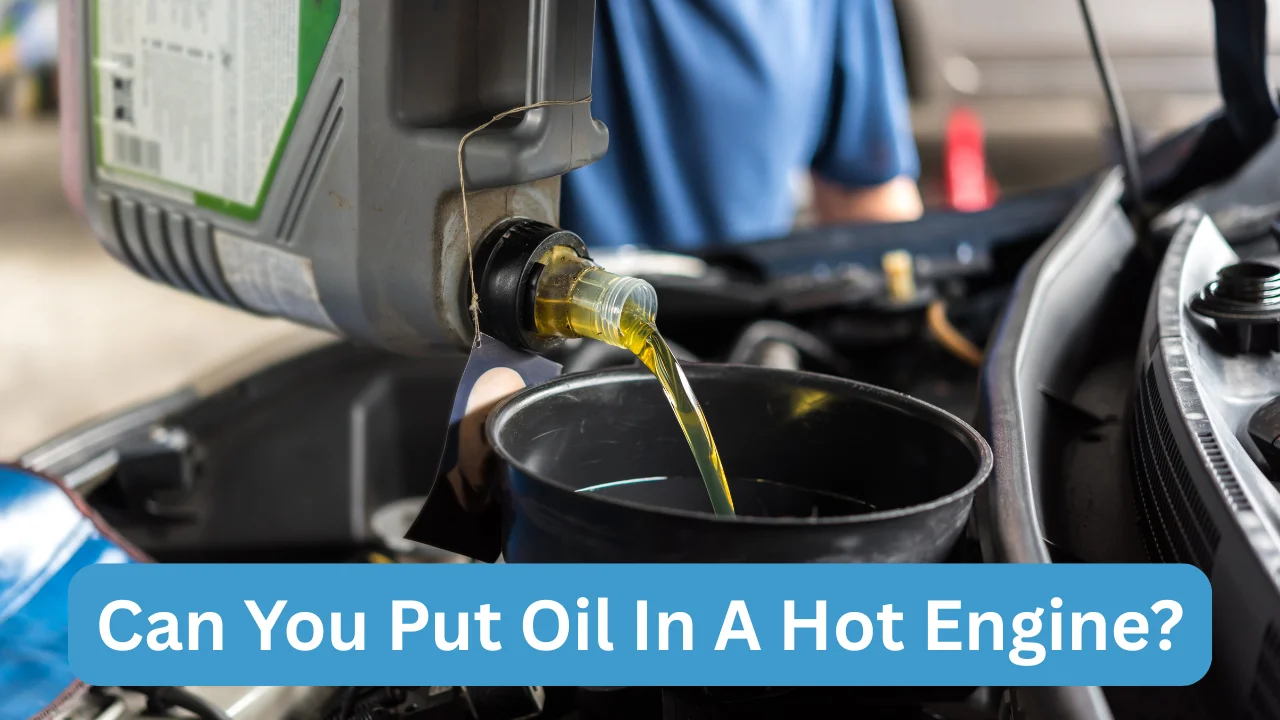
When the oil light suddenly turns on, your first thought might be worry rather than calm. Many drivers ask the same thing at that moment: can you put oil in a hot engine? It’s a common situation after long drives, heavy traffic or simply forgetting to check oil levels. If you’re unsure, you are not alone. People also search for things like how long to let engine cool before adding oil, can you put new oil in a hot engine, and when to put oil in car hot or cold.
You want to protect your engine, avoid mistakes and stay safe. This guide explains everything in simple terms so you know exactly what to do, even if this is your first time adding oil. You will learn when topping up is safe, when to wait, and how to add oil the right way without harming your car.
Understanding Hot Engine Oil Safety
Why Engine Heat Matters
Hot Oil Behaves Differently
When the engine runs, oil heats up and thins out. This helps it reach every part of the engine. When oil is hot, it moves faster and drains more easily. This also means your dipstick reading might not be accurate if you check it too soon.
Metal Expands When Hot
Engine parts expand with heat. This is normal and not dangerous. However, very high temperatures can make parts extremely sensitive. Adding cold oil suddenly may cause uneven temperature changes in rare cases.
Oil Settles More Slowly
If the engine is hot, the oil takes time to return to the lower pan. This delays the final reading and can make you add more oil than needed. Overfilling can cause foaming, pressure increase and performance issues.
Heat Can Create Safety Risks
A hot engine can burn your hands. Oil spilled on very hot surfaces may smoke. These risks are avoidable when you handle parts carefully.
Hot Engines Are Less Predictable
A car at full operating temperature may not cool evenly. Some parts cool quickly, while others stay extremely hot. This is why a short wait is safer.
Adding Oil To A Hot Engine
Is It Safe To Top Up Warm Oil
Yes For Warm Engines
If the engine is warm rather than extremely hot, adding oil is usually safe. Many drivers top up after short waits. As long as you pour slowly and avoid touching hot areas, the process is smooth and safe.
Avoid Adding Oil To Overheated Engines
If the temperature gauge is high or the bonnet feels unusually hot, wait longer. Adding oil to a very hot engine can create fast temperature shifts that stress the metal.
Room Temperature Oil Works Best
People often ask can you put cold oil in a hot engine or can you put room temp oil in a hot engine. Room temperature oil blends better and warms up quickly inside the engine.
Small Top Ups Are Safer
Adding half a quart first is safer than adding a full bottle. This allows you to check the level again and reduce mistakes.
Emergency Top Ups Are Acceptable
If the oil light comes on during a drive, adding oil even to a warm engine is safer than running the engine with low oil.
How Long To Let Engine Cool Before Adding Oil?
Ideal Cooling Time For Accurate Reading
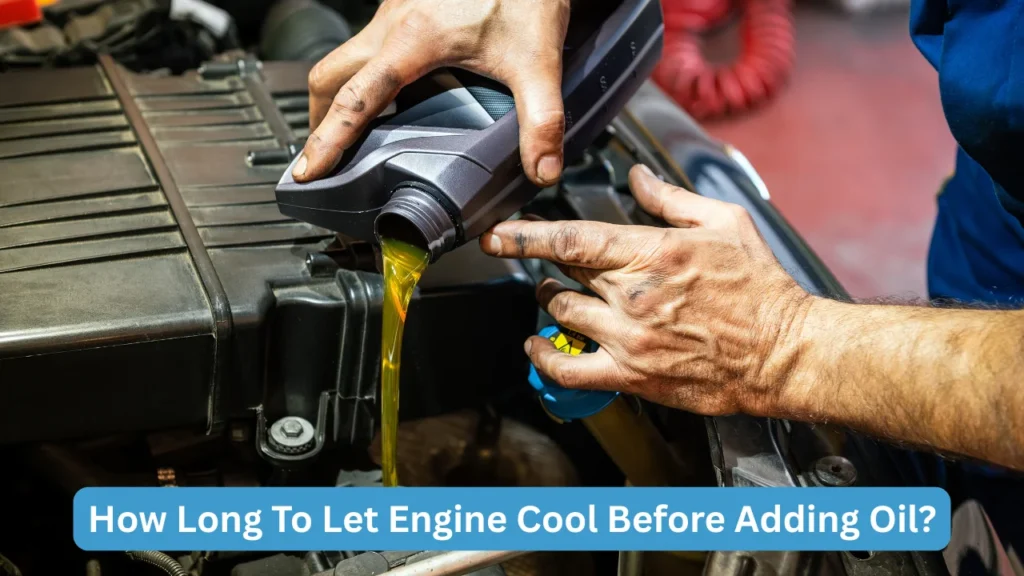
10–15 Minutes Works For Most Cars
A short wait helps hot oil settle in the pan. This gives a reliable reading on the dipstick. Many drivers use this as a standard rule.
20–30 Minutes For Very Hot Engines
If your car has been running for a long time or moving uphill, let it cool a little longer. This prevents burns and improves accuracy.
Check Oil When The Car Is Level
Parking on a flat surface ensures the oil sits evenly. A slanted road can distort the reading.
Avoid Checking Immediately
People often read low levels right after shutdown. Oil still sits inside passages. Waiting avoids adding too much oil by mistake.
If You Are In A Hurry
A quick top up of a small amount is fine. You can recheck later when the engine is cool.
When To Put Oil In Car Hot Or Cold
Understanding The Best Timing
Cold Engine Gives Most Accurate Results
A cold engine has oil fully settled in the lower pan. This makes dipstick readings more trustworthy. Many manuals prefer cold checks for this reason.
Warm Engine Is Acceptable
A warm engine is common during road trips. If it is warm instead of very hot, topping up is usually fine. Add slowly and recheck.
Hot Engine Is Not Ideal
People often ask why can’t you put oil in a hot engine. The engine can be too hot to touch, and readings are inaccurate. Only do it in emergency.
Running Engine Is Not Safe
Drivers sometimes wonder can you add oil to a running engine. The answer is no. Moving parts, fan blades and belts make it unsafe.
Cold Oil Blends Fast Once Inside
Even if the bottle feels cool, the engine warms the oil quickly. It mixes well without causing issues.
How To Add Oil To Car Correctly?
Simple Steps For Safe Oil Topping
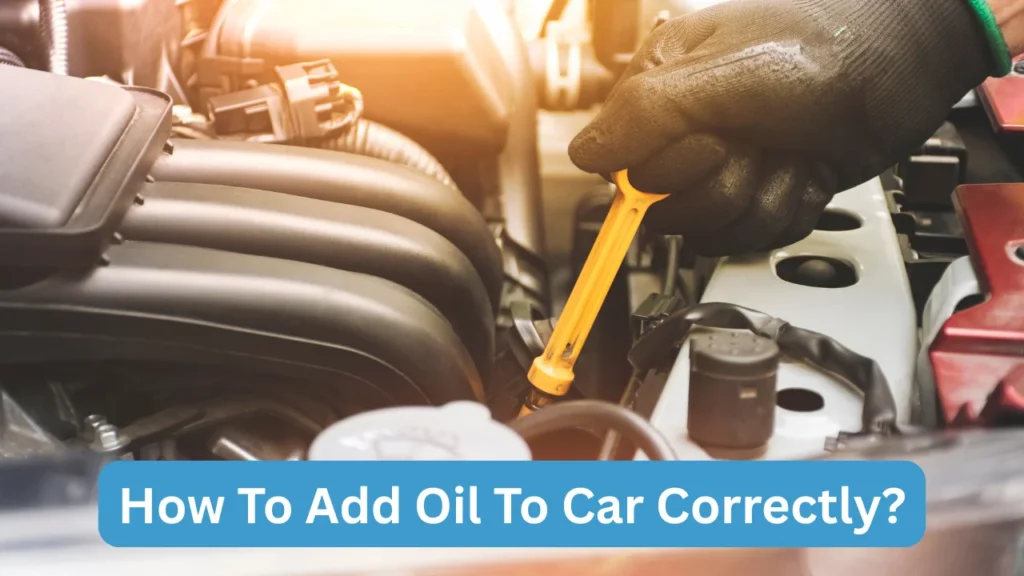
Step 1 Check Dipstick First
Pull the dipstick, wipe it clean, insert it again and pull it out to see the level. This helps you know how much oil to add.
Step 2 Open The Oil Cap Carefully
The cap might be warm. Use a cloth if needed. Avoid touching metal parts around the cap.
Step 3 Pour Oil Slowly With Funnel
Pouring too fast causes overflow. A funnel prevents spills, especially on warm engines.
Step 4 Add Small Amounts
Start with one-quarter of the bottle. Wait a minute. Recheck the dipstick. Add more if needed.
Step 5 Close Cap And Recheck
Let the oil settle briefly. Confirm that the oil sits between the low and full marks.
Reasons People Fear Adding Oil To A Hot Engine
Common Misunderstandings Explained
Myth Metal Will Crack
Many worry about sudden temperature shock. Modern engines handle temperature differences well. Cracking is extremely unlikely with normal use.
Myth Hot Oil Creates Dangerous Pressure
The oil system is not pressurized like the cooling system. Opening the cap is safe when engine is off.
Myth Spills Will Start Fire
Spilled oil may smoke but rarely catches fire. Still avoid spills for safety and cleanliness.
Myth Cold Oil Damages Engine
Cold oil warms quickly inside. The difference is not enough to create damage.
Myth You Must Always Wait Until Cold
Waiting helps accuracy but is not a strict rule for normal top ups.
Oil Level Accuracy And Overfilling Risk
Why Careful Measurement Matters
Overfilling Causes Problems
Too much oil increases pressure. This may push oil into areas where it should not go. It can lead to leaks or rough running.
Warm Dipstick Readings Can Mislead
Oil clings higher in the engine when warm. The reading may appear low even when it’s not.
Slow Pouring Prevents Mistakes
Adding small amounts gives time to see changes. This avoids accidental overfilling.
Check Twice For Best Results
Two readings help confirm accuracy. Oil can coat the dipstick unevenly on the first check.
Avoid Maximum Line
Staying slightly below the maximum mark protects the engine.
Common Situations And What To Do
Realistic Scenarios For Drivers
Oil Light Turns On During Drive
Pull over safely. Turn off engine. Wait a few minutes. Add a small amount and continue to nearest service spot.
Low Oil At Home
Check when engine is cold. Add up to recommended level.
After Long Highway Trip
Car will be hot. Wait 15–20 minutes. Then add oil if needed.
Checking Oil At Fuel Station
A warm engine is fine. Just be careful and pour slowly.
Emergency With No Tools
Even without a funnel, add small amounts carefully. Wipe spills to reduce smoke.
Benefits Of Adding Oil Warm
Why Warm Top Ups Work Well
Thinner Oil Mixes Faster
Warm oil blends with new oil quickly.
Engine Receives Lubrication Quickly
This protects moving parts without delay.
Ideal For Road Trips
If you are traveling, waiting hours is not practical.
Fast Response To Oil Light
Warm top ups prevent damage from low oil.
Keeps Engine Running Smoothly
Proper oil level helps reduce friction.
Risks Of Adding Oil Very Hot
When More Caution Is Needed
Burn Risk On Hands
Metal parts stay hot. Touching them might hurt.
Oil Can Smoke
Spills on hot surfaces can create smoke clouds.
Dipstick Gives Wrong Reading
Reading may show low when oil has not settled.
Cold Oil May Surprise Hot Metal
Although rare, rapid temperature shift is not ideal.
Cap May Be Hard To Open
Some caps tighten with heat expansion.
Oil Types And Hot Engine Behavior
Understanding Oil Performance
Synthetic Oil Handles Heat Better
Synthetic oil flows easily whether warm or cold. Many drivers prefer it for stability.
Conventional Oil Works Fine Too
It may thicken when cold but performs well when warm.
Mixing Old And New Oil Is Safe
Small top ups blend without issues.
Hot Engines Allow Faster Flow
This helps new oil reach every part easily.
Very High Heat Still Not Ideal
If your engine overheats, fix the cause before adding oil.
Oil Topping Mistakes To Avoid
Common Errors Drivers Make
Pouring Too Fast
Oil may overflow or spill onto hot surfaces.
Ignoring Dipstick Marks
Stone-level guessing leads to overfilling.
Adding Oil While Engine Runs
This is unsafe and unnecessary.
Using Wrong Oil Type
Always check the grade your car needs.
Not Cleaning Spills
Dirty surfaces smoke and smell when hot.
Frequently Asked Questions
Can you put fresh oil in a hot engine?
Yes, but wait a short time and pour slowly.
Can you put cool oil in a hot engine?
Yes, cool oil warms quickly once inside.
Can you put motor oil in a hot engine during emergency?
Yes, small top ups help prevent damage.
How long to let engine cool before adding oil?
Ten to fifteen minutes is enough for most cars.
Can you add oil to a cold engine?
Yes, this gives the most accurate reading.
Also Read: Engine Oil Is Low Sign
Final Summary
If you ever worry about can you put oil in a hot engine, the answer is simple. You can add oil to a warm engine safely when you pour slowly, use a funnel and check the dipstick after a short wait. A hot engine needs careful handling, and very hot engines are better left to cool longer. Keeping oil at the right level protects your engine and keeps your car running smoothly. When uncertain, add small amounts first, then recheck levels once the engine settles.

David Weber is an experienced writer specializing in a range of topics, delivering insightful and informative content for diverse audiences.
Okay, so, logged in via jljl1casinologin. Pretty straightforward process. No complaints here! Time to see if I can win big, haha!
Struggling to get the hitnspinlogin to work. Just been a massive pain trying to log on. Check out hitnspinlogin if you want, but proceed with caution.
I’m digging sv288com. The interface is pretty sleek.
Toofan777login sounds like a wild ride! Hope it’s fast and full of wins. Any good experiences to share? Find out more: toofan777login
Been seeing mwmbetapp pop up. Is it a pain to download and install, or is it smooth? Mobile betting is my jam! Details here: mwmbetapp
Lopebetcasino anyone tried it? I´m looking for a new good casino to play in. Hope it is a good sign for me. Find out more: lopebetcasino
88vinvt, not my favorite but sometimes gives you a win more likely than other sites. You can try 88vinvt. GLHF!
Bet88comvn hả? Thấy quảng cáo rầm rộ quá trời luôn. Để coi thử có gì hot không đây. Hi vọng là kèo thơm, dễ ăn nha. bet88comvn
Bet188link, anh em nào có link dự phòng cho Bet188 không cho mình xin với. Mấy nay vào hoài bị chặn bực ghê. Chơi bên này quen rồi. bet188link