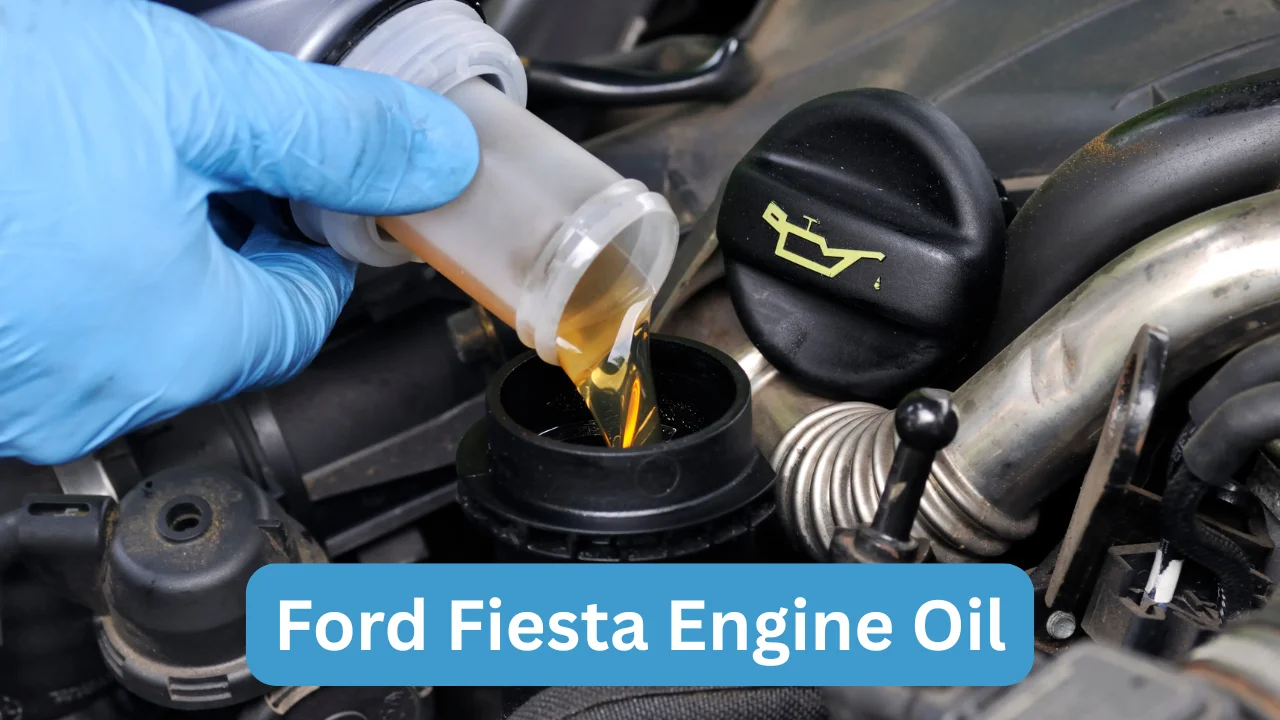
Your Ford Fiesta depends on the right engine oil to stay smooth, quiet, and reliable every day. Choosing the correct oil type, grade, and capacity helps protect vital engine parts, improve fuel efficiency, and prevent warning lights from appearing. Whether you drive a petrol, diesel, or EcoBoost model, understanding how engine oil works makes routine maintenance easier and avoids costly engine problems later on.
Understanding Engine Oil Basics
Why Engine Oil Matters
Your engine depends on clean oil to stay smooth and quiet. In a Ford Fiesta, engine oil cools moving parts, reduces metal contact, and keeps dirt away from sensitive components. Without the right oil, wear builds fast and repair costs rise quickly. Many owners notice rough idling or weak pickup when oil quality drops.
How Oil Protects Engines
Oil creates a thin layer between engine parts that move at high speed. This layer stops heat buildup and reduces friction under load. Modern Fiesta engines use tight tolerances, which means oil quality matters more than ever. Using the wrong oil grade can affect fuel use and engine life.
Oil Types Explained Simply
Engine oil comes in mineral, semi synthetic, and fully synthetic forms. Mineral oil suits older engines but needs frequent changes. Semi synthetic offers balanced protection for daily driving. Fully synthetic oil handles heat better and suits EcoBoost engines well. Most modern Fiesta models work best with synthetic oils.
Choosing the Right Viscosity
Viscosity tells you how thick the oil is when cold and hot. Numbers like 5W30 or 5W20 show how oil flows during startup and normal driving. Thinner oils improve fuel economy, while thicker oils protect under stress. Ford Fiesta engines are designed for specific viscosity ranges.
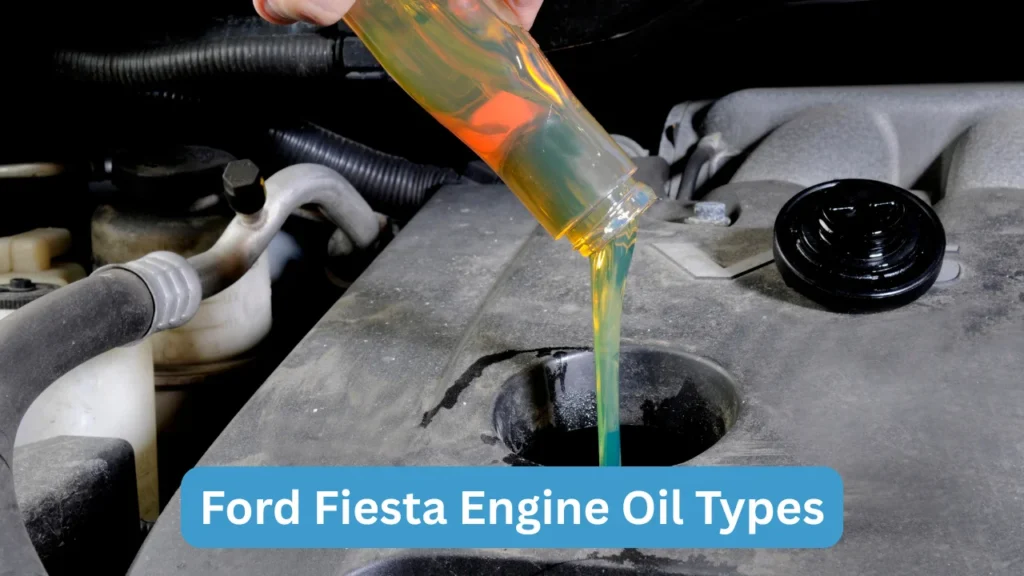
Ford Fiesta Engine Oil Types
Petrol Engine Oil Needs
Petrol Fiesta engines usually prefer lighter oils for quick circulation. The recommended engine oil for ford fiesta petrol models is often 5W30 or 5W20. These oils help cold starts and support smooth city driving. Using thicker oil may cause sluggish response and lower mileage.
Diesel Engine Oil Needs
Ford fiesta engine oil diesel variants need oil that handles higher pressure. Diesel engines create more soot and heat, which demands strong detergents. Many diesel Fiestas use 5W30 oil with diesel specific additives. Always check compatibility before topping up.
EcoBoost Engine Requirements
The engine oil for ford fiesta 1.0 ecoboost must meet strict standards. EcoBoost engines run hotter due to turbocharging. Fully synthetic oil is strongly advised for long engine life. Low quality oil can cause turbo wear and oil pressure warnings.
Older Engine Considerations
Earlier Fiesta engines may tolerate slightly thicker oil. For example, some owners prefer 10W40 for high mileage models. This can reduce oil consumption but may affect cold starts. Always balance age with manufacturer guidance.
Engine Oil Grades Explained
What 5W30 Means
Ford fiesta engine oil 5w30 flows easily when cold and stays stable at high temperature. This makes it ideal for mixed city and highway use. Many Ford service centers recommend this grade for both petrol and diesel engines.
Understanding 5W20 Oil
5w20 engine oil is thinner and improves fuel economy. It suits newer Fiesta engines designed for efficiency. This oil helps engines warm faster and reduces drag. It should only be used if approved for your engine type.
When Thicker Oil Helps
Higher mileage engines may benefit from slightly thicker oil. It can reduce leaks and noise. However, thicker oil may reduce mileage and strain the oil pump. Use this only when recommended by a mechanic.
Mixing Oil Grades Safely
Mixing grades in emergencies is possible but not ideal. Short term use is fine if viscosity is close. Always return to the correct grade during your next oil change.
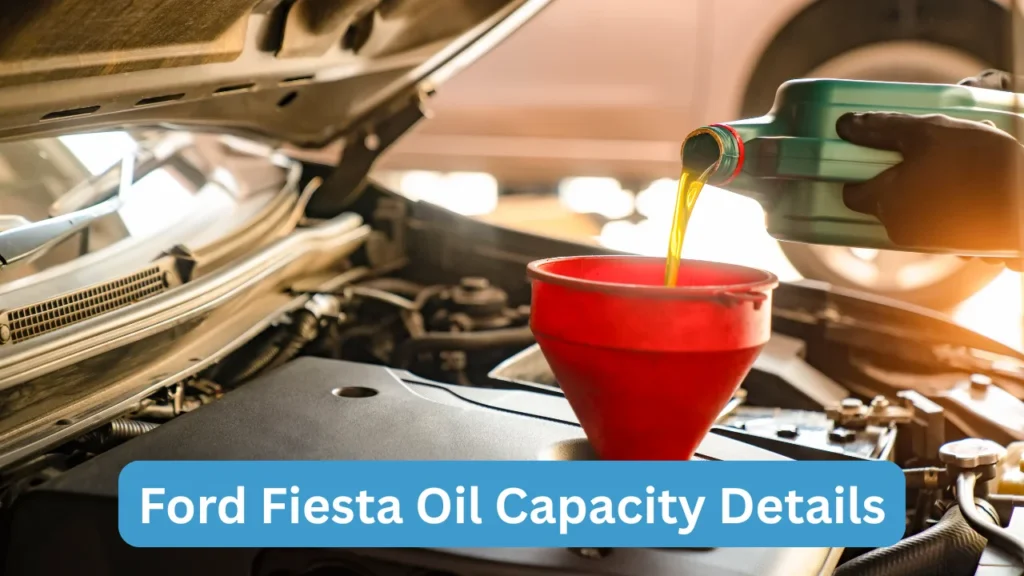
Ford Fiesta Oil Capacity Details
Petrol Engine Capacity
Ford fiesta engine oil capacity for petrol models usually ranges between 3.8 to 4.3 liters. This depends on engine size and year. Overfilling can cause pressure issues and leaks.
Diesel Engine Capacity
Ford fiesta engine oil capacity diesel versions often need slightly more oil. Capacities can reach up to 4.5 liters with filter change. Always measure after filling and recheck levels.
Checking Oil Level Properly
Check oil when the engine is warm but switched off. Wait five minutes before pulling the dipstick. Clean it, reinsert, then read the level clearly.
Avoiding Overfill Problems
Too much oil can cause foaming and oil pressure warnings. This can damage seals and sensors. Always fill gradually and measure carefully.
Ford Fiesta Oil Capacity Table
| Engine Variant | Oil Capacity With Filter |
| 1.0 EcoBoost Petrol | 4.1 Liters |
| 1.4 Petrol | 3.8 Liters |
| 1.6 Petrol | 4.2 Liters |
| 1.4 Diesel | 4.4 Liters |
| 1.5 Diesel | 4.5 Liters |
Also Read: Citroen C3 Engine Oil
Ford Fiesta Engine Oil Change Guide
When to Change Oil
Ford fiesta engine oil change intervals depend on driving habits. City driving with short trips needs earlier changes. Most owners change oil every 8000 to 10000 kilometers. Diesel engines may need more frequent changes.
Signs Oil Needs Replacement
Dark oil, rough idle, and loud engine noise suggest old oil. Warning lights may appear if oil degrades badly. Ignoring these signs can cause long term damage.
DIY Oil Change Basics
Changing oil at home needs basic tools and care. You must drain old oil completely and replace the filter. Use correct torque when tightening the drain bolt.
Professional Service Benefits
A workshop ensures proper disposal and inspection. Mechanics also check for leaks and worn parts. This adds peace of mind for daily drivers.
Engine Oil Change Steps Table
| Step | Description |
| Drain old oil | Remove drain bolt and empty oil fully |
| Replace filter | Install new ford fiesta engine oil filter |
| Add fresh oil | Pour correct grade slowly |
| Check level | Verify dipstick reading |
| Inspect leaks | Start engine and recheck |
Ford Fiesta Oil Filter Importance
Why Oil Filters Matter
The oil filter traps dirt and metal particles. A clogged filter reduces oil flow and raises pressure. This can trigger warning lights and engine noise.
When to Replace Filter
The ford fiesta engine oil filter should be replaced every oil change. Skipping this step risks contamination of fresh oil.
Choosing the Right Filter
Always use filters designed for your engine. Cheap filters may collapse under pressure. Quality filters maintain steady oil flow.
Filter Installation Tips
Lubricate the rubber seal before installation. Tighten by hand until snug. Over tightening can cause leaks.
Oil Pressure Warning Explained
Low Oil Pressure Meaning
Ford fiesta engine oil pressure low warnings indicate poor circulation. This may be due to low oil, clogged filter, or worn pump. Immediate action is required.
Stop Safely Message
Ford fiesta engine oil pressure low stop safely means serious risk. Turn off the engine as soon as possible. Driving further may cause engine seizure.
Common Causes
Low oil level is the most common cause. Old oil and faulty sensors can also trigger warnings. Regular checks prevent sudden alerts.
What To Do Immediately
Stop driving and check oil level. Top up if low. If warning persists, seek professional help quickly.
Ford Fiesta Engine Oil Prices
Oil Cost Range
Ford fiesta engine oil price depends on brand and type. Synthetic oils cost more but last longer. Budget oils may save money upfront but need frequent changes.
Brand Price Comparison
Premium brands offer better stability and cleaning. Budget brands suit older engines with short intervals. Always balance cost with engine needs.
Filter and Labor Costs
Oil filter cost is small compared to engine damage. Labor charges vary by location. DIY saves money but needs care.
Long Term Cost Planning
Regular oil changes reduce repair bills. Skipping maintenance increases ownership cost over time.
Also Read: Citroën C1 Engine Oil
Engine Oil Price Comparison Table
| Oil Type | Average Price Per Liter |
| Mineral Oil | Low |
| Semi Synthetic | Medium |
| Fully Synthetic | High |
Petrol vs Diesel Oil Needs
Heat and Pressure Differences
Diesel engines operate under higher compression. This requires oil with strong additives. Petrol engines focus more on smooth flow.
Additive Requirements
Diesel oils manage soot better. Petrol oils prioritize cleanliness and efficiency. Mixing types is not advised.
Fuel Economy Impact
Correct oil improves mileage in both engines. Wrong oil increases friction and fuel use.
Maintenance Frequency
Diesel engines may need oil changes sooner. Short trips worsen oil quality faster.
Common Oil Light Questions
Oil Light Comes On Suddenly
The ford fiesta engine oil light may appear after hard driving. Low oil or sensor faults are common reasons. Always check level first.
Oil Light After Change
This may happen if air remains in the system. Recheck oil level and filter seal. Restart engine after a few minutes.
Ignoring Warning Lights
Ignoring warnings risks engine damage. Oil related issues escalate quickly. Early checks save money.
Sensor Issues
Faulty sensors can give false alerts. Diagnostic scans help identify sensor faults.
Frequently Asked Questions
What is the best oil for Ford Fiesta petrol engines?
Most petrol models perform well with 5W30 fully synthetic oil approved for Ford engines.
Can I use 5W20 instead of 5W30?
Only if your engine specification allows it. Newer models support 5W20 for fuel efficiency.
How often should oil be topped up?
Check oil every two weeks or before long trips. Top up when near minimum mark.
Does oil brand really matter?
Quality brands offer stable performance and better engine protection. Cheap oil may degrade faster.
Can low oil damage the engine?
Yes. Low oil causes friction and overheating. This can lead to serious engine failure.
Also Read: Audi A3 Engine Oil
Final Thoughts
Choosing the right ford fiesta engine oil keeps your car smooth, quiet, and reliable. Oil grade, capacity, and change intervals all matter more than most drivers realize. When you match oil type to your engine and driving style, you reduce wear and avoid warning lights. Regular checks and timely changes protect your Fiesta for years of daily driving comfort.

David Weber is an experienced writer specializing in a range of topics, delivering insightful and informative content for diverse audiences.
JackpotCityBR, ouvi falar que paga bem! To experimentando, tem uns jogos bem interessantes. Quem sabe não rola aquele jackpotzinho pra ajudar nas contas? Vê lá: jackpotcitybr
Yo! I stumbled upon GK888win the other day. Pretty solid selection of games and the payouts seem fair. I recommend giving it a look-see. gk888win
As a Sprunki vet, Phase 7’s difficulty spike is no joke. The music sync with the enemy waves is chef’s kiss, though—mastering the rhythm is key. Pro tip: watch for the tempo changes at 75% health.
Just downloaded Sprunki Phase 24 and the new music tracks are absolute bangers! The synthwave vibes in level 3 had me grooving while dodging those tricky obstacles. Can’t wait to see what other hidden tracks they’ve added this time!
Phase 24 is a solid update, but I’m curious about the lore implications of the new character designs. The pixel art is crisp, but I wish they’d expand the backstory more. GG to the devs for keeping things fresh though!
I’ve had some okay luck on 63jl. Could be better, but it’s pretty solid. Check it out for yourself: 63jl
For live cockfighting streams, đá gà trực tiếp cpc4 is where it’s at. Good quality and reliable. Here’s the place: đá gà trực tiếp cpc4
Logging in to ph987com is easy enough. Haven’t won big yet, but still trying. Try it out: ph987comlogin
Hey, ket qua net9 is my go-to for reliable lottery results. Makes checking those numbers a breeze. ket qua net9
If you’re looking for quick lottery updates, ketqua net9 is worth checking out. I find it super helpful after the draw. ketqua net9
Hey folks! Just checked out 3kingvn. Seems like a decent place to hang out and try your luck. Give 3kingvn a shot if you’re looking for something new.