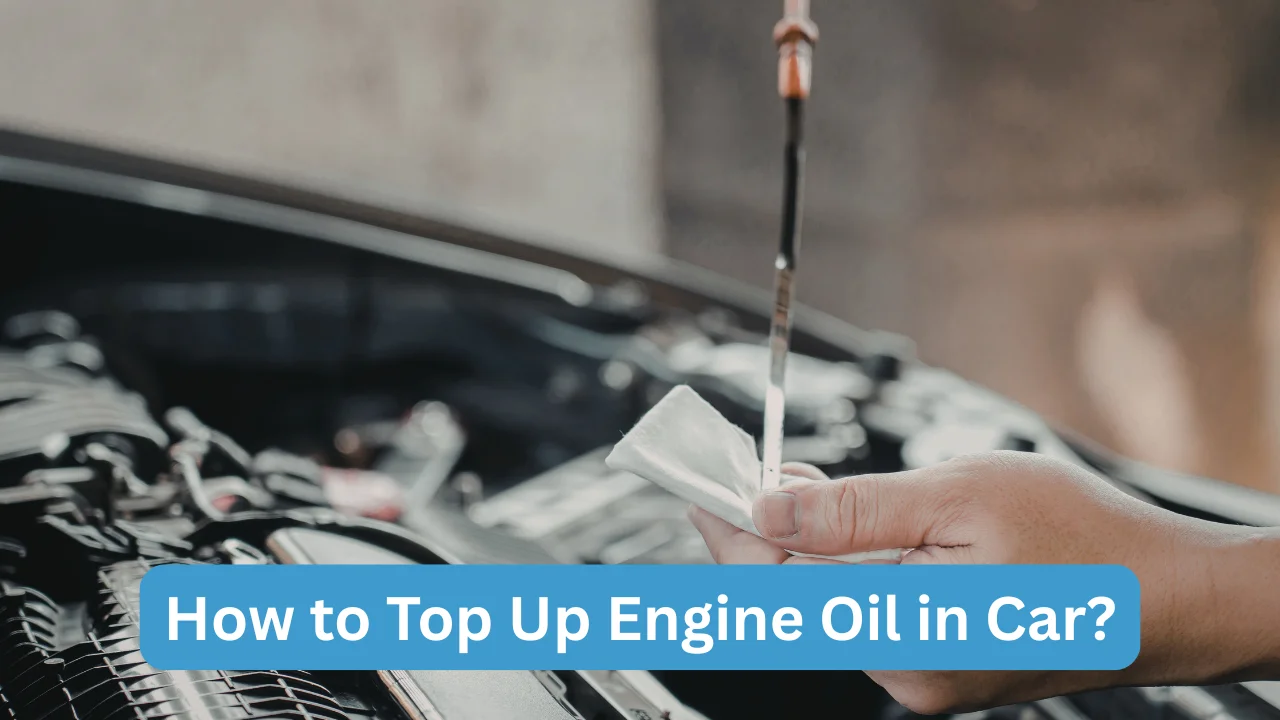
Topping up engine oil is one of the simplest yet most important car maintenance tasks you can do yourself. When the oil level drops, your engine works harder and wears faster. Learning how to top up engine oil in car helps you protect the engine, improve performance, and avoid costly repairs. The process is quick, safe, and easy when done the right way.
Understanding Engine Oil Basics
Why Engine Oil Matters?
Your car engine depends on oil to reduce friction, manage heat, and protect moving parts. Over time, oil slowly burns or evaporates, even in healthy engines. When oil drops below the safe level, internal parts face extra wear. Knowing how to top up engine oil in car helps you avoid damage and costly repairs.
What Happens When Oil Is Low?
Low engine oil increases friction and heat inside the engine. This can lead to rough performance, higher fuel use, and warning lights. In extreme cases, the engine may seize. That is why you should never ignore oil level checks or delay topping up when needed.
Top Up Versus Full Oil Change
Topping up engine oil only restores the oil level. It does not replace old or dirty oil. A full oil change removes used oil and installs fresh oil with a new filter. Many drivers ask if you can top up engine oil without draining. Yes, topping up is safe when oil condition is still good.
Who Should Learn This Skill?
Every car owner benefits from learning how to top up engine oil by yourself. It saves time, avoids emergency stops, and gives peace of mind. You do not need mechanical skills. You only need patience, the right oil, and basic safety care.
Also Read: Mini One Engine Oil
Checking Engine Oil Level Properly
Using the Dipstick Correctly
The dipstick shows your oil level clearly. Pull it out, wipe it clean, reinsert fully, then pull it again. The oil mark should sit between the minimum and maximum lines. Anything below minimum means you need to top up engine oil soon.
Reading Oil Level Marks
Dipsticks usually show two marks or shaded zones. Oil near the lower mark means low. Oil near the top mark means full. Never exceed the maximum mark. Overfilling can cause pressure issues and oil leaks.
Checking Oil Hot or Cold
Many drivers ask whether to top up engine oil hot or cold. Ideally, check oil when the engine is cool or after waiting ten minutes. This lets oil settle in the sump for accurate reading. You can check warm oil, but readings may vary slightly.
How Often to Check Oil?
You should check engine oil at least once every two weeks or before long drives. Older cars may need weekly checks. Regular checks help you understand how often you should top up engine oil in your car.
How to Top Up Engine Oil in Car?
Preparing Before You Start
Park on flat ground and switch off the engine. Let it cool for safety. Open the hood and locate the oil filler cap and dipstick. Keep a clean cloth and funnel ready to avoid spills.
Choosing the Correct Oil
Always use the oil grade recommended in your car manual. This includes viscosity and type. If you wonder how to select engine oil for car, focus on engine type, climate, and manufacturer advice. Using the wrong oil affects performance and protection.
Adding Oil Step by Step
Remove the oil filler cap slowly. Pour a small amount of oil using a funnel. Wait one minute, then check the dipstick again. Repeat until the oil reaches the safe level. This is the safest way to top up oil in car without overfilling.
Final Checks After Topping Up
Secure the filler cap tightly. Clean any spilled oil. Start the engine and let it run briefly. Turn it off and recheck the level. This confirms the oil is evenly distributed inside the engine.
Engine Oil Top Up Steps Overview
| Step | Action | Key Tip |
| Park vehicle | Flat surface | Prevent false readings |
| Let engine cool | Wait ten minutes | Avoid burns |
| Check dipstick | Wipe and recheck | Accurate level |
| Add small oil amount | Use funnel | Avoid spills |
| Recheck level | Stay below max | Prevent overfill |
How Often Should You Top Up Engine Oil?
Normal Driving Conditions
Most modern cars need a top up every 3,000 to 5,000 kilometers. This varies by engine age and driving habits. Short trips and traffic increase oil use slightly.
Older Engines Oil Usage
Older engines often consume more oil due to wear. You may need to top up engine oil more often. Frequent checks help avoid sudden low oil situations.
Signs You Need a Top Up
Watch for oil warning lights, ticking sounds, or rough running. These signs suggest low oil. Never wait for warning lights alone, as they often appear late.
Driving Style Impact
High speed driving, towing, or mountain driving raises oil consumption. If you drive aggressively, you may need to top up engine oil sooner than expected.
Also Read: Recommended Engine Oil for Ford Fiesta Petrol
Can You Top Up Engine Oil Safely?
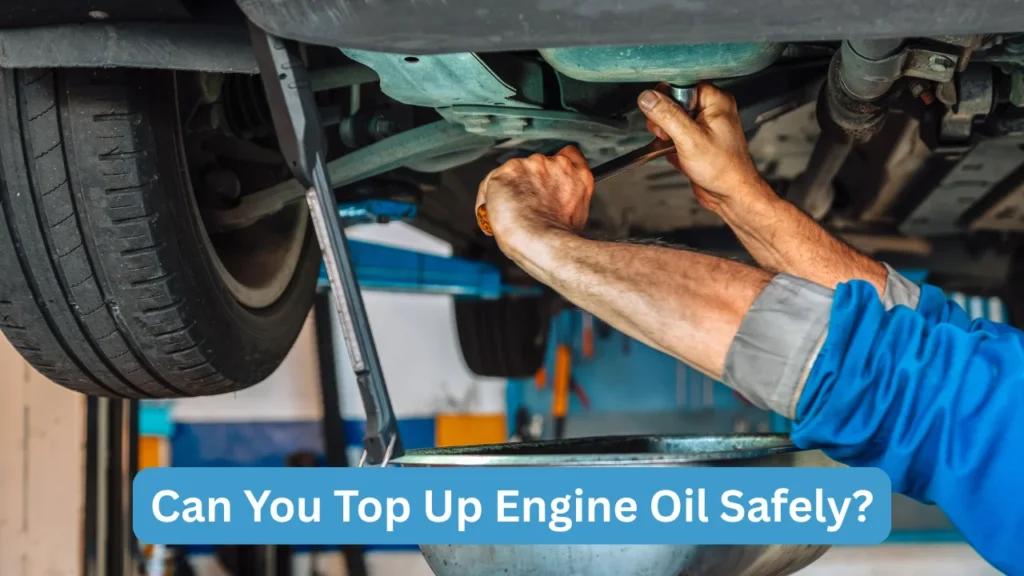
Topping Up Without Draining
Many drivers ask if you can top up engine oil without draining. Yes, it is safe when oil quality is still good. Topping up simply restores lost oil volume.
Mixing Different Oil Brands
You can top up engine oil with a different brand if viscosity and type match. Mixing brands is not ideal long term, but safe in small amounts when needed.
Mixing Synthetic and Mineral Oil
Mixing oil types is possible in emergencies but not recommended regularly. Always return to one oil type during the next oil change.
Overfilling Risks
Too much oil causes foaming and pressure buildup. This can damage seals and sensors. Always add oil slowly and check levels often.
Top Up Engine Oil Hot or Cold
Cold Engine Benefits
A cold engine gives more accurate oil readings. Oil settles fully in the sump, showing true levels. This method is safer for beginners.
Warm Engine Situations
If the engine is warm, wait at least ten minutes before checking. You can top up engine oil when hot, but proceed carefully to avoid burns.
Safety Tips While Hot
Wear gloves and open the oil cap slowly. Heat causes pressure inside the engine. Always stay alert when handling warm components.
Best Practice Recommendation
For most drivers, checking and topping up oil when cold remains the safest and simplest option.
Why You Need to Top Up Engine Oil?
Natural Oil Loss Explained
Engines consume oil naturally during combustion. Even new cars lose small amounts over time. This is normal and expected.
Protecting Engine Parts
Oil protects pistons, bearings, and valves. Low oil increases metal contact, leading to faster wear and engine noise.
Maintaining Fuel Efficiency
Proper oil level helps the engine run smoothly. Low oil increases friction and fuel use, costing more over time.
Avoiding Costly Repairs
Simple oil top ups prevent serious damage. Ignoring low oil may result in engine failure and expensive repairs.
Also Read: Oil and Filter Change Cost
Engine Oil Top Up Price Overview
| Vehicle Type | Average Oil Quantity | Estimated Cost Range |
| Small petrol car | 0.5 to 1 liter | Low cost |
| Mid size sedan | 1 liter | Moderate cost |
| SUV petrol | 1 to 1.5 liters | Medium cost |
| Diesel vehicle | 1 to 2 liters | Higher cost |
How to Choose Engine Oil Grade?
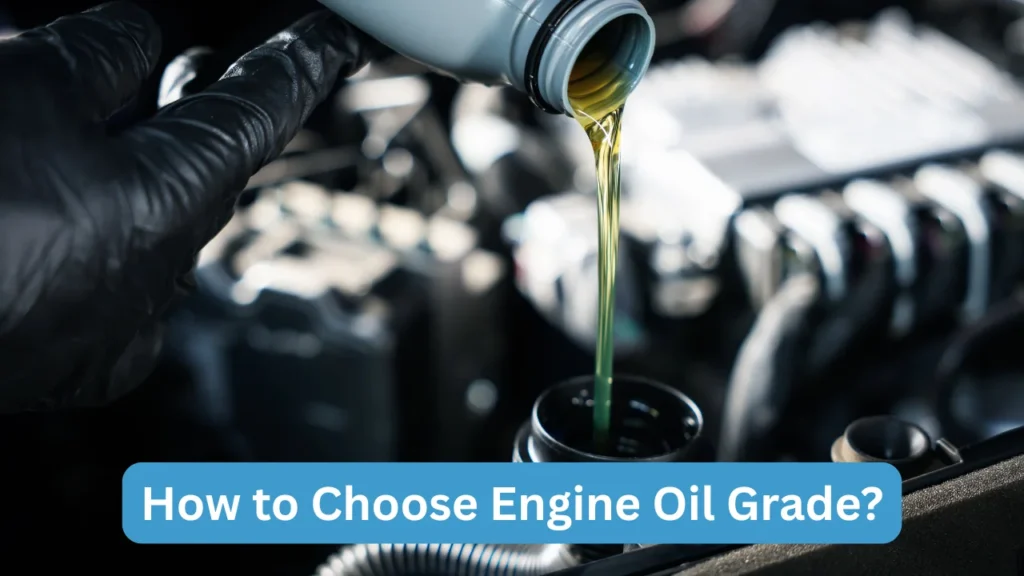
Understanding Viscosity Numbers
Oil grades show thickness at cold and hot temperatures. Lower numbers flow better in cold weather. Higher numbers protect better at high heat.
Climate Considerations
Hot regions often use thicker oil for protection. Cooler climates benefit from thinner oil for easier starts.
Engine Type Matters
Petrol and diesel engines need different oil formulations. Turbo engines may require specific grades for heat control.
Following Manufacturer Advice
Always follow your car manual. It provides tested oil grades for best performance and safety.
Best Engine Oil for Cars
Weather Impact on Oil Choice
Warm temperatures demand oil that handles heat well. Choosing the correct viscosity helps engine protection year round.
Traffic Driving Effects
Stop and go traffic increases engine heat. Oil with strong heat resistance performs better in these conditions.
Fuel Quality Consideration
Oil must handle residue from varying fuel quality. Quality oil reduces sludge buildup.
Regular Maintenance Benefits
Using the right oil and topping up regularly extends engine life and improves driving comfort.
Common Mistakes While Topping Up Oil
| Mistake | Result | Prevention |
| Overfilling oil | Engine damage | Add slowly |
| Wrong oil grade | Poor protection | Check manual |
| Skipping dipstick check | Incorrect level | Always recheck |
| Ignoring leaks | Continuous oil loss | Inspect engine |
FAQs
Can you top up engine oil anytime?
Yes, you can top up engine oil anytime as long as the engine is off and safe to handle.
Is it ok to top up engine oil frequently?
Yes, frequent top ups are fine and better than driving with low oil.
Do you need to top up engine oil between services?
Most cars need small top ups between oil changes due to natural oil loss.
Can you drive immediately after topping up oil?
Yes, once the cap is secure and level is correct, you can drive normally.
Does topping up replace oil change?
No, topping up does not remove old oil or replace filters.
Also Read: 0 30 Engine Oil
Summary
Learning how to top up engine oil in car gives you confidence and control over basic car care. Regular oil checks protect your engine, improve performance, and prevent damage. The process is simple, affordable, and safe when done correctly. By choosing the right oil, checking levels often, and avoiding overfilling, you help your car stay reliable for years.

David Weber is an experienced writer specializing in a range of topics, delivering insightful and informative content for diverse audiences.
What’s cooking? If you want Jili games, aaajili77 might be your spot. That’s what I mainly go for. Fast withdrawals here. Worth checking for yourself here aaajili77.
Alright, alright! Time for some card games! Is cardtime gonna be the place to shuffle up and deal? Let’s find out! cardtime
ji777activity is definitely the site I want to be on when playing games, so much to do on the site and to play, you can lose track of time! ji777activity
Hey guys! Just checked out jiliaaacom and it seems promising. Still poking around, but the interface is clean and easy to navigate. Will definitely keep an eye on this one! jiliaaacom
Yo check this A33club spot out, been playing for a bit. Seems legit so far, good payouts, fun gameplay. What are you waiting for? Start playing at a33club.
Thinking of trying out abcvipu888. Anyone got any insider tips or feedback? Always looking for a solid place to game. Learn more here: abcvipu888
Abcvipcoin, huh? Sounds interesting… and maybe a bit complicated. Crypto and betting, what’s not to love? Find more here: abcvipcoin
f9k5t1