Introduction
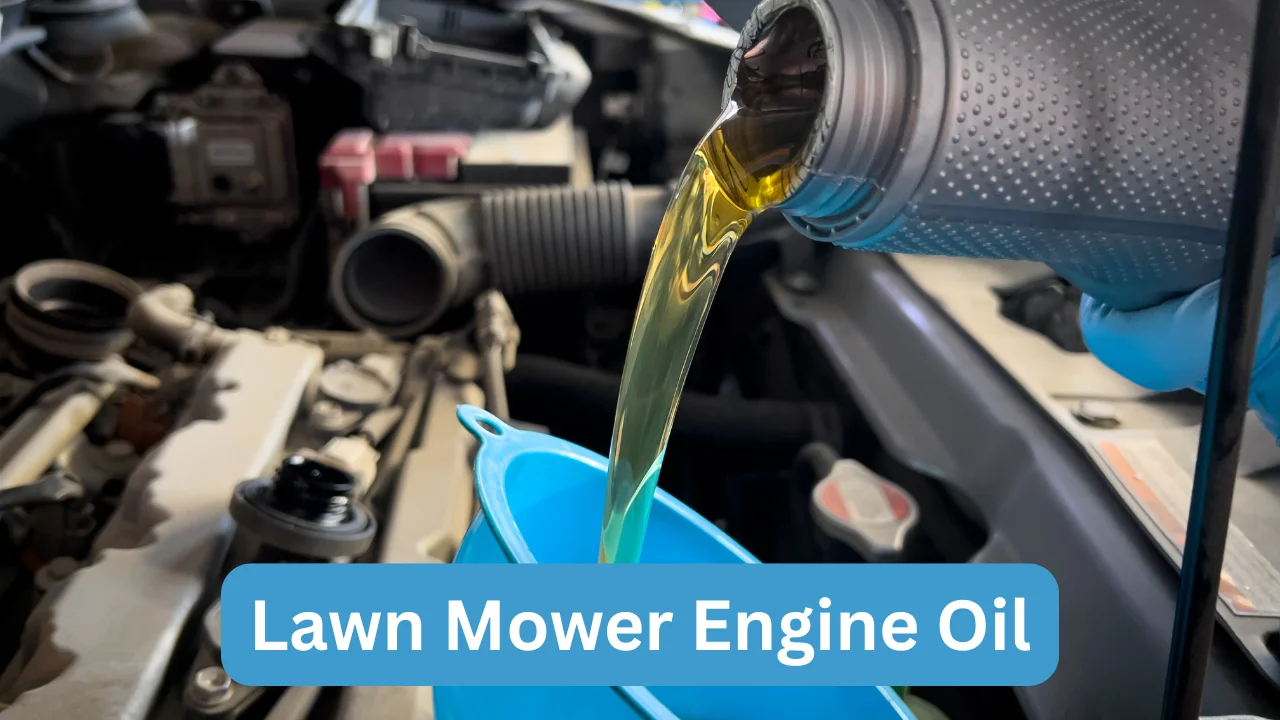
If your lawn mower is the heart of your yard work, engine oil is the blood that keeps it alive. Many people focus on blades and fuel but forget oil until the engine starts acting rough. Choosing the right lawn mower engine oil helps your machine run smoother, last longer, and avoid costly repairs. When you understand oil types, viscosity, and change intervals, you protect your mower and your time. This guide explains everything in simple language so you can care for your mower with confidence.
Why Engine Oil Matters?
Protects Engine Components
Inside your mower engine, metal parts move fast and create heat. Oil forms a thin layer that reduces friction between these parts. Without proper oil, parts grind together and wear faster. Clean oil keeps pistons, valves, and bearings working smoothly during every cut.
Controls Engine Temperature
Lawn mowers often run in hot weather and thick grass. Oil helps move heat away from the engine parts that get hottest. When oil breaks down or runs low, heat builds quickly. That extra heat can damage seals and shorten engine life.
Improves Fuel Efficiency
A well oiled engine runs with less resistance. This means the engine does not need to work as hard to spin the blade. When friction drops, fuel use improves slightly and the engine feels more responsive during heavy mowing.
Extends Engine Life
Regular oil care is the main reason some mowers last ten years or more. Fresh oil removes dirt, carbon, and tiny metal particles. Over time, this keeps internal parts clean and reduces the risk of sudden engine failure.
Also Read: Oil Engine Additives
Understanding Oil Types
Four Stroke Engine Oil
Most modern lawn mowers use a four stroke engine. This type stores oil in a crankcase instead of mixing it with fuel. Lawn mower engine oil 4 stroke options are designed to handle steady loads and outdoor temperatures.
SAE 30 Oil
Lawn mower engine oil SAE 30 is a popular choice for warm climates. It stays thick at high temperatures and offers strong protection during summer mowing. Many older push mowers recommend this oil type in their manuals.
5W30 Multi Grade Oil
Lawn mower engine oil 5W30 works well in changing weather. It flows easily during cold starts and still protects the engine when it heats up. This makes it ideal for people who mow in spring and fall.
10W30 Oil Option
Lawn mower engine oil 10W30 is another flexible choice. It offers better protection than SAE 30 in cooler weather. Some engines may use more oil with this type, so checking levels often is smart.
Choosing The Right Oil
Check Manufacturer Guidance
Always start with your mower manual. It lists the recommended lawn mower engine oil type and viscosity. Using the suggested oil keeps warranties valid and ensures proper lubrication.
Match Your Climate
If you mow only in hot weather, SAE 30 may suit you best. If your area has cooler mornings or mixed seasons, 5W30 or 10W30 performs better. Climate plays a big role in oil thickness.
Engine Brand Requirements
Oil for Briggs and Stratton lawn mower engines often follows specific guidelines. Many Briggs and Stratton engines accept SAE 30, 5W30, or synthetic oils depending on temperature range.
Synthetic Versus Conventional
Synthetic mower oil resists breakdown longer and handles temperature changes better. Conventional oil costs less but needs more frequent changes. Both work well if changed on schedule.
Oil Capacity Explained Clearly
Why Capacity Matters?
Adding too much oil can cause smoking and leaks. Too little oil leads to fast engine wear. Knowing the correct lawn mower engine oil capacity prevents both problems.
Typical Capacity Range
Most push mowers hold between 0.4 and 0.6 liters of oil. Ride on mowers can hold much more depending on engine size. Always check your specific model.
Checking Oil Level Properly
Use the dipstick with the mower on level ground. Wipe it clean before checking. Fill slowly and recheck often to avoid overfilling.
Oil Capacity Reference
| Lawn Mower Type | Engine Size | Oil Capacity |
| Push mower small engine | 125cc to 150cc | 0.45 liters |
| Push mower large engine | 160cc to 190cc | 0.6 liters |
| Self propelled mower | 190cc to 220cc | 0.6 to 0.65 liters |
| Ride on mower | 300cc and above | 1.4 to 2.0 liters |
Also Read: What Engine Oil for Vauxhall Corsa 1.4 Petrol?
Oil Change Best Practices

When To Change Oil?
Most manufacturers suggest changing lawn mower engine oil after every 25 to 50 hours of use. For homeowners, this usually means once per mowing season. New engines need an early oil change after the first few hours.
Signs Oil Needs Changing
Dark thick oil, rough engine sound, or smoke can signal old oil. If oil smells burnt or looks gritty, change it right away.
Oil Change Steps
Warm the engine slightly so oil flows better. Drain old oil fully before adding new oil. Dispose of used oil responsibly at a recycling center.
Oil Change Frequency Table
| Usage Type | Mowing Hours Per Year | Oil Change Interval |
| Light home use | 20 to 30 hours | Once per season |
| Regular home use | 40 to 60 hours | Twice per season |
| Heavy use | 80 hours or more | Every 25 hours |
Oil Flush And Cleaning
What Oil Flushing Does?
A lawn mower engine oil flush removes sludge and deposits left behind by old oil. It helps clean internal parts before adding fresh oil.
When Flushing Helps?
Flushing helps older engines or mowers that skipped oil changes. It is also useful when switching oil types.
How To Perform A Flush?
Add a small amount of flushing oil and run the engine briefly. Drain completely and refill with fresh oil. Never mow grass during a flush cycle.
Avoid Over Flushing
Flushing too often can remove protective residue. Once every few seasons is enough for most mowers.
Using Oil Extractors
What An Oil Extractor Is?
A lawn mower engine oil extractor removes oil through the dipstick tube. It avoids tipping the mower and reduces spills.
Benefits Of Extraction
Extraction keeps oil away from blades and air filters. It works well for ride on mowers and tight storage areas.
When To Use Extractors?
Extractors are ideal if your mower has no drain plug. They also help people with limited lifting ability.
Extractor Use Tips
Warm oil flows faster during extraction. Insert the tube fully and pump slowly until oil stops flowing.
Also Read: Does Engine Oil Go Bad?
Oil Price And Cost Factors
What Affects Oil Price?
Lawn mower engine oil price depends on brand, oil type, and bottle size. Synthetic oil costs more but lasts longer.
Budget Friendly Options
Conventional SAE 30 oil offers good protection at a lower cost. It suits simple push mowers used seasonally.
Premium Oil Benefits
Premium oils resist breakdown and protect better in extreme temperatures. They suit high use or commercial mowing.
Oil Price Comparison
| Oil Type | Average Price Range | Best Use |
| SAE 30 conventional | Low | Warm climate mowing |
| 10W30 conventional | Medium | Mixed temperatures |
| 5W30 synthetic | Higher | Year round mowing |
| Small engine branded oil | Medium to high | Warranty compliance |
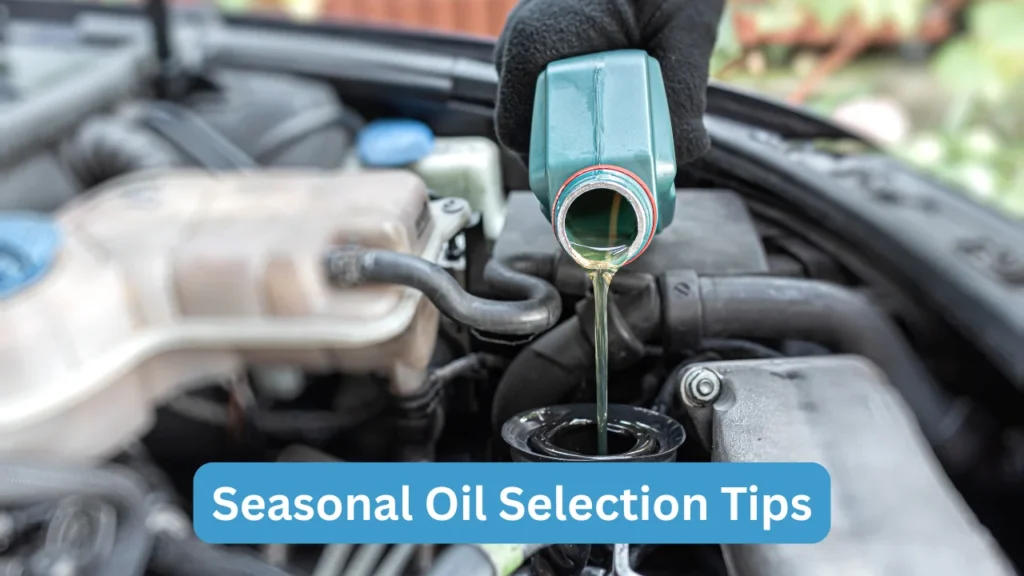
Seasonal Oil Selection Tips
Cold Weather Mowing
If you mow in early spring or late fall, thinner oil flows better at startup. 5W30 helps reduce engine strain during cold starts.
Hot Summer Mowing
Thicker oil like SAE 30 stays stable in high heat. It protects engines working long hours in thick grass.
Year Round Use
People who mow often across seasons benefit from multi grade oil. It adapts to temperature changes with fewer oil changes.
Storage Considerations
Change oil before winter storage. Fresh oil prevents corrosion while the mower sits unused.
Common Oil Mistakes
Overfilling The Engine
Too much oil causes foaming and smoking. Always fill slowly and check the dipstick often.
Using Car Engine Oil
Car oils may include additives not meant for small engines. Always use oil labeled for small engines or lawn mowers.
Skipping Oil Changes
Old oil loses protection fast. Skipping changes shortens engine life even if the mower still runs.
Ignoring Oil Leaks
Small leaks can drain oil quickly. Fix leaks early to avoid running the engine dry.
FAQs
What oil is best for lawn mowers?
Most four stroke mowers work well with SAE 30 in warm weather or 5W30 for mixed temperatures.
How often should mower oil be changed?
Change oil every 25 to 50 hours of use or at least once per season.
Can synthetic oil be used in lawn mowers?
Yes synthetic oil works well and offers better protection in temperature changes.
How much oil does a lawn mower need?
Most push mowers need about half a liter while ride on mowers need more.
Is oil flush necessary?
Oil flush helps older engines or neglected mowers but is not required every season.
Also Read: Elf Engine Oil
Summary
Lawn mower engine oil plays a key role in engine health, smooth operation, and long service life. Choosing the correct oil type, matching it to your climate, and changing it on time protects your investment. Understanding oil capacity, price, and maintenance steps helps you avoid common mistakes. With regular oil care, your mower starts easier, runs quieter, and handles thick grass without strain. A little oil knowledge goes a long way toward a reliable mowing season.

David Weber is an experienced writer specializing in a range of topics, delivering insightful and informative content for diverse audiences.
As someone who’s played every version, this one nails it. The physics tweaks make the flips smoother, and the Sprunki soundtrack is pure fire. Casual players might struggle, but it’s worth it.
Just tried the new phase, and I’m curious about the mechanics. The shift timing feels sus compared to Phase 3—anyone else notice that? Still, the vibes are immaculate, especially with the synthwave soundtrack.
Okay, I’m obsessed with the Sprunki tracks in this update—total banger vibes! The new synthwave mix had me vibing for hours, no cap. Whoever composed this deserves a raise, fr.
Tiger777mx? Rawr! Fun times, decent payouts. Could get a good run. Give it a shot, see if it’s for you: tiger777mx!
Heard about yy777games from a friend. Jumped on, and not bad! The site layout is pretty decent, and the selection is alright. I’d say it’s worth checking if you are looking for something new. Go test yy777games yourself.
phbetviplogin? Alright, I gave it a whirl. Login was smooth. Site’s pretty clean. I’m not gonna lie. I could see myself using this again. Try phbetviplogin and tell me what you think!
qm2han